[email protected] Mon – Sat: 8:30 – 18:00 (GMT+8) · Reply within 24h AS4084 · RMI · FEM · ISO
English
0%

The source articles mentioned in the request were not included. Without them, I can’t reliably cite industry data or verify a named expert’s quotation about Very Narrow Aisle Racking. Please provide the articles or the expert quote you want referenced.
2026 Top Very Narrow Aisle Racking Systems for Sale

What Very Narrow Aisle Racking Systems Are and How They Work

2026 Top Very Narrow Aisle Racking Systems for Sale

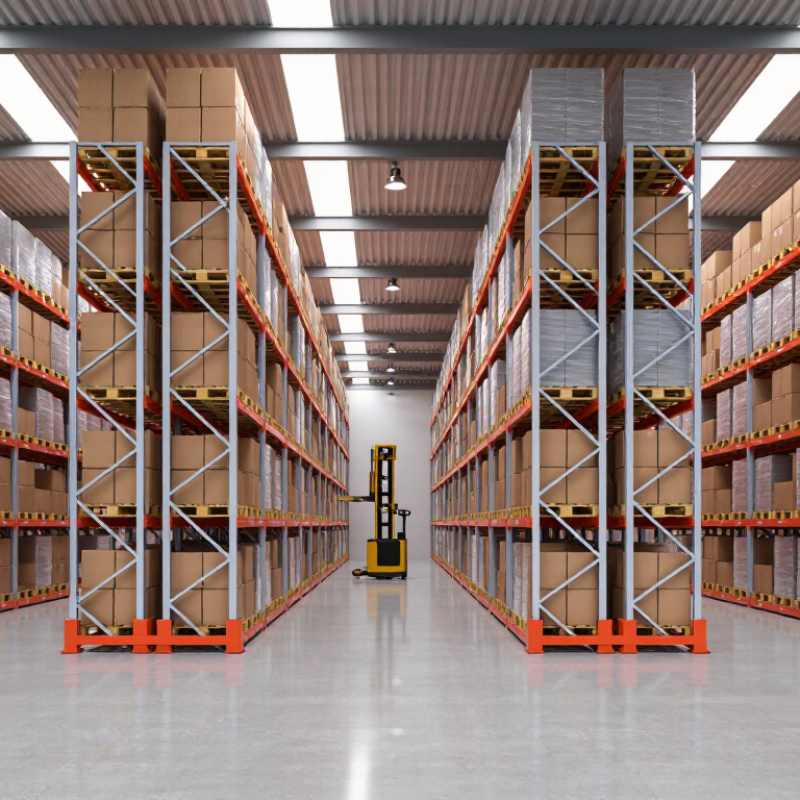
Very narrow aisle (VNA) racking stores pallets in tall, closely spaced rows. Aisles are often about 1.5–2 metres wide, though the right clearance depends on the truck, pallet size, and building. Specialized turret or articulated trucks retrieve loads without needing conventional turning space. Some installations use guide rails or floor-embedded wires to keep trucks aligned. The operator still needs a clear view of pallet positions and safe access for replenishment.

The space saving is real, but it is not free. A VNA layout depends on compatible trucks, smooth floors, accurate rack installation, and disciplined pallet placement. A damaged pallet can disrupt a tight aisle. So can a small measurement error. MHI’s 2024 Annual Industry Report says 55% of surveyed supply-chain professionals planned to increase technology investment over the following five years. That signals growing interest in modern warehouse systems, not proof that every site needs VNA. Before choosing a system, measure clear height, aisle geometry, daily pallet movements, and charging or maintenance needs. A detailed plan helps; it cannot remove every operational compromise.

Core Components and Warehouse Operating Requirements

2026 Top Very Narrow Aisle Racking Systems for Sale

Core Components and Warehouse Operating Requirements

A very narrow aisle system is more than closely spaced racks. Its performance depends on compatible uprights, beams, floor guidance, and suitable handling equipment. Guided turret trucks or articulated trucks need clear travel paths and enough room to lift each pallet safely. Aisle width should follow the truck manufacturer’s turning and operating specifications, not a sales brochure’s minimum figure. Check pallet overhang, load dimensions, rack protection, and pedestrian crossings before fixing the layout. Small mismatches become daily delays.

Floor quality matters. Rails or wire guidance cannot compensate for uneven floors, and tall racks make small deviations more noticeable. Confirm floor flatness, slab capacity, rack anchoring, and building clearances with qualified designers. Label every bay with its permitted load, and inspect beams, connectors, and uprights for impact damage. Clearances matter. The U.S. Bureau of Labor Statistics reported 4.8 recordable injury cases per 100 full-time workers in warehousing and storage in 2022. That figure covers the sector, not VNA systems specifically, but it reinforces the need for trained operators and disciplined traffic controls.

Operating requirements can expose weak assumptions. Measure actual pallet sizes, peak throughput, charging needs, and replenishment patterns; then test a representative aisle before full installation. A tightly packed layout may increase storage density, yet reduce flexibility when inventory changes. That trade-off is easy to underestimate. Allow space for maintenance access and safe recovery of damaged loads, even when every extra bay seems valuable.

2026 Top Very Narrow Aisle Racking Systems for Sale - Core Components and Warehouse Operating Requirements
System or Component Typical Configuration or Range Core Function Warehouse Operating Requirements Selection and Safety Checks
Very Narrow Aisle (VNA) Selective Pallet Racking Fixed rack rows with dedicated aisles commonly around 1.5–2.0 m wide; actual aisle width depends on the truck and load. Provides direct access to individual pallet positions while increasing storage density compared with conventional wide-aisle layouts. Requires compatible VNA trucks, accurate pallet placement, clear travel paths, and a floor suitable for the truck’s wheel loads and guidance system. Confirm pallet dimensions, load weights, beam capacity, rack height, aisle clearance, and the truck manufacturer’s operating envelope.
Upright Frames Bolted or welded frame assemblies sized for the specified bay height, depth, and rated load. Transfer loads from beams and stored pallets to the warehouse floor. Frames must be installed plumb, anchored as specified, and protected from routine truck impact. Check frame capacity, bracing, base plates, anchors, slab condition, and required clearance from sprinklers and building services.
Load Beams and Connectors Beam length and profile selected for the pallet width, number of pallets per bay, and design load. Support pallet loads between upright frames and establish adjustable storage levels. Use only compatible beams and locking devices; distribute loads as specified and avoid overloading or unauthorized alterations. Verify rated capacity per beam pair and per bay, connector engagement, beam locks, and pallet overhang or clearance.
Guidance System Typically rail guidance or an electronic wire-guidance installation, selected for the truck and aisle design. Helps keep a VNA truck aligned within a narrow aisle during travel and load handling. Keep rails or guidance paths unobstructed and maintain them according to the equipment supplier’s instructions. Confirm compatibility with the truck, aisle geometry, floor construction, turning areas, and emergency exit arrangements.
VNA Turret Truck or Articulated VNA Truck Truck type and lift height selected to match aisle width, rack height, load dimensions, and handling method. Moves and positions pallets in high-density rack aisles; turret designs can handle loads without turning the truck body. Operators need appropriate training and authorization. Keep the truck within its rated capacity and use approved operating procedures. Check residual capacity at lift height, load centre, travel and lift speeds, battery or charging needs, and aisle compatibility.
Floor Flatness and Slab Specified against the truck type, wheel configuration, travel path, lift height, and applicable floor-tolerance criteria. Supports stable truck travel and accurate elevated load handling. Inspect the floor for joints, cracks, steps, settlement, and local defects; repair issues that exceed the project’s acceptance criteria. Obtain a floor survey and structural review. No single flatness tolerance is suitable for every VNA truck and warehouse.
Pallets and Unit Loads Consistent pallet footprint and condition; load dimensions and weight kept within the rack and truck design limits. Provide a stable handling unit for storage and retrieval. Reject damaged pallets and unstable, loose, or protruding loads; secure goods where needed and keep loads within marked limits. Check pallet entry direction, support points, load stability, packaging, and clearance from beams, uprights, and adjacent loads.
Impact Protection and Rack Safety Accessories Upright guards, end-of-aisle protection, row spacers, rack labels, and other accessories as required by the layout. Reduce damage risk, support correct rack use, and make capacity information visible. Keep protection in place and replace damaged components; report rack impacts and restrict access to affected areas pending inspection. Choose protection that does not obstruct truck travel or reduce required clearances. Accessories do not increase rack capacity.
Inspection and Maintenance Routine in-house checks plus competent inspections at intervals set by the risk assessment and applicable requirements. Identify damage, overloads, loose components, and changes that could affect safe operation. Maintain inspection records, display load notices, investigate reported impacts, and have repairs or modifications approved by a competent person. Follow local regulations, the rack designer’s instructions, and relevant industry guidance; remove unsafe areas from service until assessed.
Layout, Traffic, and Emergency Planning Dedicated rack aisles with defined cross-aisles, pedestrian controls, staging areas, and emergency routes. Coordinate storage access, truck movement, picking activity, and safe evacuation. Keep aisles and exits clear, separate pedestrians from moving equipment where practicable, and manage congestion at aisle ends. Review turning and transfer zones, visibility, lighting, fire protection, sprinkler clearances, and local fire and building requirements.
Design and Procurement Review Project-specific rack layout, load schedule, truck specification, floor assessment, and installation documentation. Ensure the rack, handling equipment, loads, and building conditions work together as one system. Provide suppliers with accurate site measurements, pallet and load data, throughput needs, operating shifts, and environmental conditions. Aisle widths and capacity figures are design-dependent examples, not universal specifications. Obtain a site-specific design and verify applicable local standards before purchase or installation.

Main Types of Very Narrow Aisle Racking Systems for Sale in 2026

Very narrow aisle systems preserve storage density while keeping pallet access practical. Fixed-aisle VNA selective racking is the familiar option: tall, single-deep bays sit close together, and turret or articulated trucks retrieve each pallet. It suits operations with many product lines and frequent picking. Clear floor markings matter; a small alignment error can slow a truck.

Rail-guided and wire-guided systems add guidance along the aisle, helping specialized trucks travel precisely between close-set racks. Rail guidance uses floor-mounted tracks; wire guidance follows a buried electrical signal. Both can reduce steering corrections, but installation and floor conditions need careful review. Not every building is ready.

Mobile pallet racking places rack rows on powered bases that open an aisle only where needed. It can increase storage density, though access becomes less immediate when several workers need different bays. MHI’s 2024 Annual Industry Report found 55% of respondents planned to adopt robotics and automation within five years. That is broader than racking, but it signals why truck compatibility deserves attention. Measure clear heights, load dimensions, floor flatness, and turning space before choosing. A neat layout on paper can still feel cramped in daily use.

How to Compare Capacity, Safety, and Equipment Compatibility

Very narrow aisle racking can increase storage density, but the aisle width alone does not determine whether a system fits. Compare the rated capacity of each beam pair and upright frame with your actual pallet weights. Check load distribution, rack height, and bay configuration; a rating for one setup may not apply to another. Keep room for the heaviest pallet, not just the average one.

Safety depends on more than strong steel. Review floor condition, anchoring requirements, clearances, and protection for exposed uprights. Confirm that sprinkler coverage and inspection access remain practical after installation. Small details matter. A slightly damaged pallet can catch on a beam, while an uneven floor may affect a tall load. Capacity labels help, but they cannot replace a site-specific review.

Match the rack to the handling equipment before ordering. Measure the truck’s width, turning needs, lift height, and guidance system, then compare them with aisle and rack dimensions. Verify pallet size and overhang limits, too. Measure twice. Equipment specifications can change, and older trucks may not suit a new layout. Leave a realistic allowance for operator visibility and maintenance access; tight plans sometimes look efficient on paper, then prove awkward in daily use.

Key Factors for Selecting a System for Your Warehouse

2026 Top Very Narrow Aisle Racking Systems for Sale
Key Factors for Selecting a System for Your Warehouse

Choosing a very narrow aisle system starts with the work your warehouse actually handles. Measure pallet dimensions, load weights, and daily picks—not just the busiest shift. Then check your lift truck’s turning and positioning needs against the proposed aisle width. A small mismatch can slow every put-away. Small gaps matter.

Building height is only part of the calculation. Confirm clearances around sprinklers, lights, beams, and other overhead equipment. Floor flatness also deserves close attention, especially with tall racks and guided trucks. Uneven surfaces may affect truck movement and storage accuracy. Measure twice. A site survey by qualified warehouse and rack professionals can help verify these details before purchase.

Think about future changes, too. Will product sizes, order patterns, or peak volumes shift? Select a layout that supports the required storage density without making replenishment awkward. Ask for clear specifications on load capacity, installation, inspection, and any truck guidance equipment. Compare total operating needs, not only the initial price. I have seen plans that looked excellent on paper but left little room for real picking habits. That is worth reconsidering before committing.

Very narrow aisle systems use less aisle space than conventional layouts, but require compatible handling equipment and careful layout planning. Widths shown are typical planning ranges, not universal specifications; confirm requirements with your equipment supplier and warehouse designer.

FAQS

What defines a very narrow aisle racking system?

It uses closely spaced, tall rack rows and guided turret or articulated trucks. Trucks still need safe turning and lifting clearance.

How should aisle width be set?

Follow the truck manufacturer’s operating specifications, not a brochure’s minimum. Check pallet overhang and load dimensions too.

Which floor checks matter before installation?

Confirm floor flatness, slab capacity, anchoring, and building clearances with qualified designers. Rails cannot fix an uneven floor.

What are the main types of very narrow aisle systems?

Fixed-aisle selective racks provide direct pallet access. Rail- or wire-guided systems help trucks travel accurately between close rows.

When might mobile pallet racking be useful?

Powered bases open an aisle where needed and can increase storage density. Access may feel slower when teams need separate bays.

What should operators inspect on the racks?

Check beams, connectors, uprights, and rack protection for impact damage. Keep load limits visible at every bay.

How can a warehouse test its layout?

Measure actual pallets, peak throughput, charging needs, and replenishment patterns. Test one representative aisle before full installation.

What trade-off is easy to overlook?

More bays can mean less flexibility when inventory changes. Leave room for maintenance and safe load recovery. That space matters.

Conclusion

Very Narrow Aisle Racking is designed to increase storage density by reducing the space needed between rack rows while maintaining access to stored goods. This overview explains how the system works, including its main structural components and the warehouse conditions needed for safe, efficient operation. It also introduces common system types available in 2026 and considers how aisle layout, load capacity, and handling methods affect performance.

Choosing the right system requires more than comparing storage capacity. Warehouses should assess rack strength, safety features, floor and building conditions, and compatibility with the equipment used to retrieve and move loads. By weighing these requirements alongside inventory needs, operational workflows, and available space, businesses can identify a suitable solution that supports reliable access, efficient storage, and long-term warehouse use.

Oliver

Oliver

Oliver is a professional marketing specialist with a strong understanding of the company’s products, customers, and industry trends. Through years of experience in content strategy, market research, and customer communication, he transforms complex product information into practical, engaging, and......