Blog

What Is Adjustable Pallet Racking and How Does It Work?
Adjustable Pallet Racking is a storage system built around upright frames and movable horizontal beams. Workers can reposition the beams to suit different pallet heights, changing each bay’s usable space without replacing the whole structure. Picture a warehouse aisle: steel frames stand in rows, while pallets sit on beams at selected levels. The arrangement looks simple. Its details matter.
Warehouse storage specialist Martin Hayes puts the design principle this way: “Set the beam levels around the load, not the other way around.” That is a practical reminder, not a substitute for a site-specific engineering review. Pallet dimensions, product weight, handling equipment, floor conditions, and working clearances all affect how a system should be planned. Small differences count. A taller pallet or a misplaced beam can change access and storage capacity.
This article explains how Adjustable Pallet Racking works, what its main components do, and why beam positions are changed to match inventory. It also considers everyday decisions, such as leaving enough room for a forklift to turn and keeping similar loads in sensible locations. The system can adapt as stock changes, but it is not endlessly flexible. That distinction is easy to overlook. Understanding both the advantages and the limits helps warehouse teams make better-informed layout choices.
Read more »
 By:Amelia
- September 29, 2026
By:Amelia
- September 29, 2026
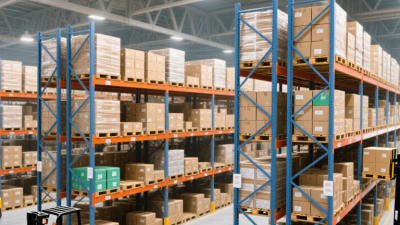
Why Choose Pallet Racking for Your Warehouse?
Pallet Racking can help a warehouse use vertical space while keeping stock visible and accessible. In a busy facility, that may mean more pallet positions without expanding the building. It can also make picking and replenishment easier to organize. Picture clearly marked aisles, labelled beam levels, and forklifts moving between bays with room to turn. Small gains matter.
The right system depends on the goods, equipment, building, and daily workflow. Selective racks suit operations that need direct access to many product lines, while higher-density designs may work better for fewer, deeper-stored products. Those are starting points, not guarantees. A layout should be checked against pallet dimensions, load ratings, floor conditions, sprinkler clearances, and forklift requirements. Qualified warehouse and rack professionals can help verify the design and installation. Routine inspections matter, too; a bent upright or loose connection should not be ignored.
Pallet Racking is not a cure for every storage problem. Poor slotting, inaccurate inventory records, or congested aisles can still slow a warehouse down. There is a trade-off: denser storage can reduce access and flexibility. That trade-off matters. This guide explores why businesses choose pallet racking, what practical benefits it offers, and which decisions deserve careful review before installation. A little skepticism helps. The best system is the one that supports safe, reliable work in the actual warehouse, not just the one that looks efficient on a floor plan.
Read more »
 By:Oliver
- September 29, 2026
By:Oliver
- September 29, 2026
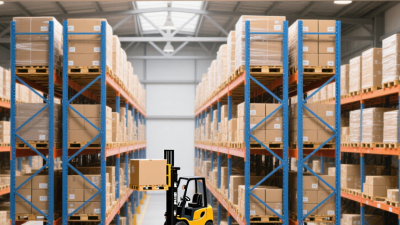
2026 Top Selective Pallet Racking Systems for Global Buyers
In 2026, global buyers need pallet storage that fits their products, equipment, and warehouse conditions. Selective Pallet Racking remains a practical option when teams need direct access to individual pallets. It can suit facilities with varied stock and frequent picking. But a system that works in one building may not fit another.
This guide examines leading selective racking options through criteria buyers can verify: load capacity, beam adjustability, finish, installation support, and compatibility with forklifts. A narrow aisle may save floor space, yet leave too little room for safe truck movement. A beam level set too high can also slow daily handling. Small details matter.
Check the pallet dimensions and loaded weights before comparing quotations. Ask suppliers for capacity data, installation drawings, and clear guidance on inspections and maintenance. Floor condition, building height, local seismic considerations, and applicable regional standards can change the specification. Requirements vary by location. Confirm them with qualified local professionals.
There is no universal “best” rack. Product listings may emphasize price or capacity, while overlooking access, future expansion, or service availability. Those gaps deserve a second look. The comparisons ahead are intended to help buyers ask sharper questions, not replace site measurements or engineering review. A dependable choice starts with the warehouse’s real operating needs.
Read more »
 By:Charlotte
- September 29, 2026
By:Charlotte
- September 29, 2026