Featured CE-Certified Accumulation Racking Systems
Factory-direct high-density storage solutions engineered to European & American structural standards. Designed for optimal inventory accumulation, seamless handling, and maximum warehouse throughput.
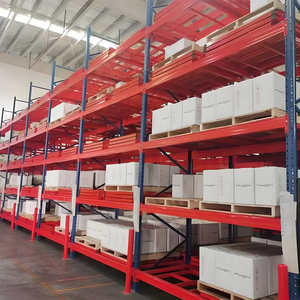
Safe Stable Heavy Duty Push Back Pallet Racking Storage System CE/ISO Certification 1000-2000kg Capacity Corrosion Pallet
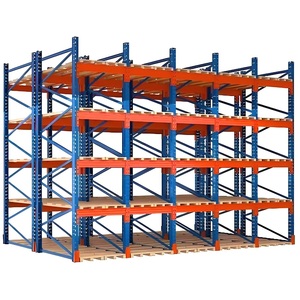
Wholesale Heavy Duty Steel Pallet Racking System for Warehouse Storage
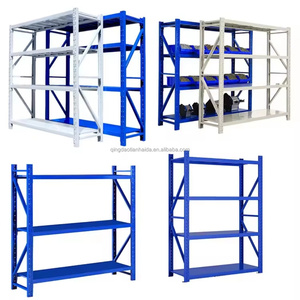
Industrial 3-Layer Boltless Adjustable Galvanized Carbon Steel Pallet Rack Compact Racking System for Warehouse & Garage

Certificate Heavy Duty Metal Storage Rack Mobile Racking Adjustable Pallet Racking System 1300KG 1400KG 1500KG Pounds Tons
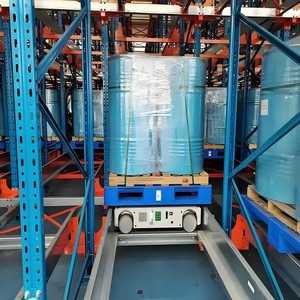
Wholesale Custom High Intelligent Automated Pallet Runner Radio Four Way Shuttle Rack Warehouse Storage Rack System
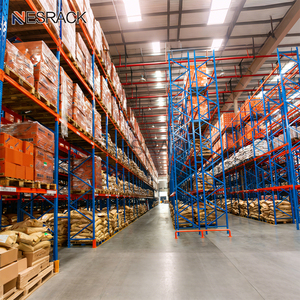
High Density Heavy Duty Galvanized Steel Adjustable Durable Double Deep Industrial Warehouse Pallet Racking System
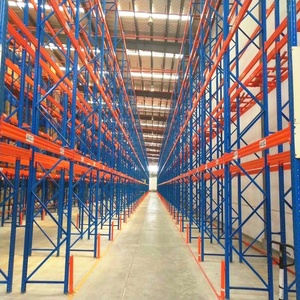
Blue and Orange Upright Frame Heavy Duty Stacking Racks Warehouse Storage Push Back Pallet Type Rack Racking System
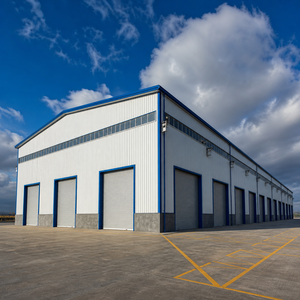
Reach Truck Aisle Steel Warehouse Building Narrow Racking High Capacity Galvanized Steel Frame System
Engineering Integrity & Enterprise Capability
SolidFort Storage Equipment Co., Ltd. delivers certified, high-yield accumulation racking systems engineered specifically to solve complex warehouse density, safety, and throughput requirements globally.
Rigorous Standards Compliance
Every pallet accumulation frame, beam, and cart assembly engineered by SolidFort undergoes structural Finite Element Analysis (FEA). We rigorously test to EN 15512, FEM 10.2.02, RMI (ANSI MH16.1), and AS4084 standards, backed by third-party CE structural certification.
Dedicated Project Engineering
We believe precise storage system layout requires direct engineering leadership. Our engineering team provides custom CAD drawings, Load Application & Rack Configuration (LARC) documentation, and slab pressure assessments before full-scale manufacturing begins.
In-House Automated Production
From precision continuous cold roll forming of upright columns to robotic laser welding and electrostatic epoxy powder coating, our fully integrated 30,000㎡ Xiamen manufacturing center maintains total quality control over every structural beam and push-back dynamic cart.
Why CE Certification Matters in Pallet Accumulation Engineering
Dynamic accumulation systems—such as Push-Back racking, Radio Shuttle runners, and Pallet Flow gravity systems—introduce dynamic forces and moving kinetic masses not found in static selective racking. CE certification under the Machinery Directive (2006/42/EC) and EN 15512 structural standards verifies that structural deflections, braking mechanisms, cart anti-lift catches, and safety stops operate under strict safety safety margins (typically 1.95 structural safety factor on raw yield stress), eliminating operational liability and structural collapse risks in high-throughput facilities.
Comprehensive Engineering Analysis of Pallet Accumulation Systems
Pallet accumulation racking maximizes storage density by consolidating aisle space into multi-deep storage lanes. Choosing the correct structural matrix depends on SKU variability, throughput velocity, and inventory management protocol (LIFO vs. FIFO).
| Accumulation System Type | Operational Flow | Storage Depth | Space Utilization | Forklift Interaction | Ideal Industry Use-Case |
|---|---|---|---|---|---|
| Push Back Racking (Nested Cart) | LIFO (Last-In, First-Out) | 2 to 6 Pallets Deep | 75% – 85% Density | Forklift stays in main aisle; pushes front pallet back | Medium turnover, multi-SKU cold storage, FMCG distribution |
| Radio Shuttle Racking (Pallet Runner) | LIFO or FIFO | 10 to 40+ Pallets Deep | 85% – 95% Density | Automated wireless shuttle transports pallets inside lanes | High-volume homogeneous goods, food & beverage, deep cold chain |
| Pallet Gravity Flow Racking | FIFO (First-In, First-Out) | 2 to 20 Pallets Deep | 80% – 90% Density | Dedicated loading and picking aisles; gravity roller beds | Perishable food, pharmaceuticals, high-velocity buffer storage |
| Double Deep Pallet Racking | LIFO | 2 Pallets Deep | 60% – 70% Density | Requires specialized pantograph/deep-reach forklifts | General warehousing upgrading from standard selective racking |
Technical Deep Dive: Mechanics of High-Performance Push Back Racking
Push back pallet racking features a series of nested, inclined carts moving on structural steel rails. When loading, the forklift driver places the first pallet on the top nested cart. To load the second pallet, the driver gently pushes the first pallet back into the lane using the incoming pallet, exposing the second cart beneath it. SolidFort’s CE-certified push-back systems incorporate engineering innovations designed for severe industrial environments:
- Low-Profile Telescoping Cart Design: Custom cold-formed nested carts minimize vertical profile height loss, preserving critical ceiling clearance and overhead beam space.
- Heavy-Duty Precision Steel Bearings: Sealed, low-friction steel wheels ensure consistent cart movement under loads up to 2,000 kg per pallet position, maintaining smooth operation even inside -30°C freezing conditions.
- Integrated Anti-Lift and Flow Safety Stops: Structural safety catches prevent cart derailment during aggressive forklift loading, while front positive stops keep pallets securely positioned at the aisle picking face.
- Q355B High-Tensile Structural Steel Rails: Inclined at precise engineered gradients (typically 1.5% to 2.0% pitch), providing smooth gravity return without excessive speed or impact forces.
Strategic Procurement Trends in Industrial Storage (2026–2030)
Global logistics and industrial real estate dynamics are reshaping how supply chain executives spec and procure high-density racking. Sourcing trends highlight four pivotal shifts:
1. Transition to Autonomous & Automated Accumulation
Rising labor costs and driver shortages are pushing buyers from pure manual push-back systems toward semi-automated Radio Shuttle and fully automated 4-Way Shuttle matrices. Modern systems require dual compatibility—capable of serving manual forklifts today and integrating with AGVs/AMRs tomorrow.
2. Cold Chain Footprint Optimization
Energy costs associated with cold storage facilities mean cubic storage density directly impacts operational profit margins. High-density pallet accumulation systems double pallet capacity within the same refrigerated footprint, dramatically lowering per-pallet thermal operating costs.
3. Mandatory Third-Party Certification & Permitting Compliance
Municipal building codes, insurance auditors, and safety agencies now mandate certified rack load calculations. Overseas procurement must be verified by factory CE documentation, EN 1090 certified welding quality, and EN 15512 design compliance to guarantee seamless local permit approval.
Technological Horizons: Smart Accumulation & Structural Innovations
The evolution of high-density pallet storage integrates material science, robotics, and real-time structural health monitoring.
Smart Sensors & IoT Structural Monitoring
Next-generation pallet accumulation systems incorporate IoT micro-displacement sensors and strain gauges mounted on critical upright frames and heavy-duty load beams. These sensors continuously monitor impact forces caused by forklift contact, thermal expansion stresses in cold rooms, and structural overload conditions—transmitting alert data directly to warehouse management software (WMS).
High-Strength Micro-Alloy Steel Structural Profiles
By shifting from standard hot-rolled structural steel to advanced cold-formed Q355B and Q460 micro-alloy steel profiles, manufacturers can reduce raw structural weight while increasing frame load-bearing capacities up to 25,000 kg per bay. This higher strength-to-weight ratio minimizes freight container costs while delivering superior resistance against plastic deformation during accidental impact.
4-Way Intelligent Radio Shuttle Robotics
Traditional 2-Way radio shuttles travel only along a single channel depth. Advanced 4-Way intelligent pallet runner robots transition across perpendicular main rails, enabling cross-aisle fleet dispatching, automated pallet sorting, and dynamic lane assignment—transforming static storage racks into fully flexible, high-density automated buffers.
Engineering Innovation Snapshot
- Galvanized Anti-Corrosion Finishes: Hot-dip galvanizing (HDG) and pre-galvanized frame options engineered for humid chemical environments and sub-zero cold stores.
- Toolless Modular Beam Adjustment: 50mm, 75mm, and 76.2mm (3-inch) pitch adjustment slots allow rapid recalibration of clear beam height as pallet profile sizes evolve.
- Impact-Resistant Guarding Integration: Heavy-gauge wrap-around column protectors and floor-anchored bullnose guards absorb forklift impacts, shielding upright bottom joints from fatigue damage.
Frequently Asked Questions for Procurement & Engineering Teams
Technical clarity on load calculations, floor anchoring, CE compliance, and system selection for industrial buyers.
Standard selective pallet racking typically averages between USD $50 and $100 per pallet position for materials. High-density accumulation systems such as Push-Back racking range from USD $120 to $250 per pallet position, depending on lane depth (2 to 6 pallets deep), cart capacity (1,000kg to 2,000kg/pallet), and dynamic structural rail specs. While initial material costs are higher, push-back systems often yield a significantly higher ROI by reducing required warehouse aisle footprint by up to 50%.
Yes. Under EN 15512, FEM 10.2.02, and ANSI/RMI MH16.1 regulations, every single rack column baseplate must be structurally anchored to the concrete floor slab with engineered wedge anchors or chemical anchors. Anchoring resists vertical uplift forces, lateral shear loads, seismic accelerations, and accidental forklift bumps. Anchor embedment depth and bolt diameter (typically M12 to M16) are calculated based on concrete slab thickness, compressive strength (minimum 25-30 MPa), and local seismic design categories.
Upright frame load capacity is not a static number—it decreases as the unbraced vertical distance between beam levels increases. Frame calculations evaluate the combined axial compression forces and bending moments caused by beam eccentricities and dynamic cart motion. Engineers calculate maximum allowable buckling load using Finite Element Analysis (FEA) based on the first beam level height, overall rack height, and bay beam loading. SolidFort provides official Load Application & Rack Configuration (LARC) drawings for every custom installation.
Every international shipment from SolidFort includes a full technical compliance dossier: CE Declaration of Conformity (DoC), Raw Material Mill Test Certificates (EN 10204 3.1 steel traceability), Factory Quality Control Inspection Reports, Galvanizing/Powder Coating Thickness Verification, Assembly & Erection Drawings, and official Maximum Permissible Bay Load Plaques for warehouse display.
In many cases, yes. If existing upright frames possess adequate depth, structural column section, and steel gauge, custom push-back cart rail assemblies can be retrofitted onto step beams or purpose-built structural support beams. However, a structural engineer must re-evaluate column axial load limits, baseplate slab punching shear resistance, and aisle clearance parameters prior to retrofit execution.
Standard components and catalog orders ship within 10 to 15 business days. Fully engineered high-density systems (such as multi-tier push-back, radio shuttle, or structural mezzanine projects) typically require 25 to 30 days for precision roll forming, robot welding, quality inspection, and export container packing. Freight options include FOB Xiamen, CIF, CFR, or door-to-door DDP terms.
Ready to Double Your Warehouse Storage Density?
Get a complete structural proposal, free CAD layout design, and factory-direct quotation within 24 hours.