Factory-Direct Block Stacking & Pallet Racking Systems
Explore our top-tier industrial storage racks engineered for max cubic utilization, extreme load capacity, and long-term structural durability in cold rooms and logistics hubs.
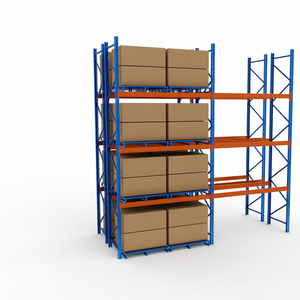
Metal Rack Storage Shelf Heavy Duty Selective Pallet Beam Racking
Direct 100% pallet accessibility engineered with high-tensile Q235B cold-rolled steel beams and heavy upright frames for industrial warehouse inventory.
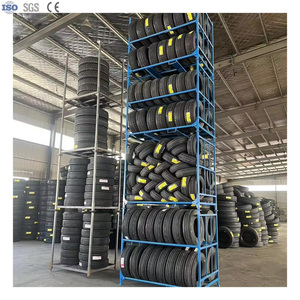
Powder Coating Portable Steel Multi-Layer Stacking Metal Tire Racks
Modular stackable steel nestable frame racks designed for heavy truck tires, automotive components, and temporary bulk warehouse block stacking.
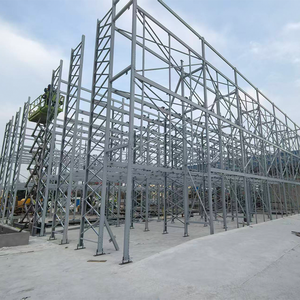
Multi-Scene Universal 5-Layer Heavy Duty Seismic Steel Warehouse Rack
Seismic-tested cold-formed steel structure featuring superior anti-corrosion protection and modular boltless design for dynamic industrial environments.
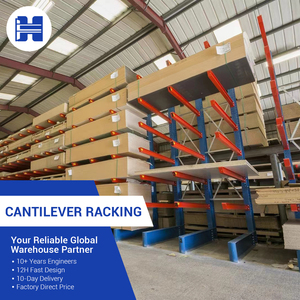
High Capacity Roll Formed Cantilever Rack with Adjustable Arms
Unobstructed front column layout specially tailored for storing long, bulky items such as steel pipes, timber, aluminium extrusions, and heavy sheet stock.
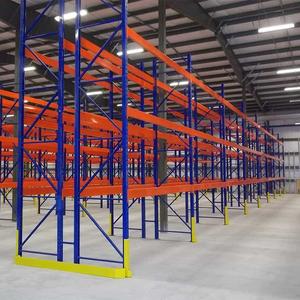
Ventilated Wire Mesh Deck Pallet Racking System Damp-Proof 2000kg
Heavy-duty wire mesh decking offering enhanced overhead sprinkler water penetration, fire safety compliance, and robust damp-proof pallet support.
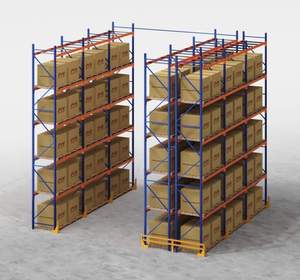
Conventional Single Row Heavy Duty Pallet Racking System
Cost-effective perimeter and wall-adjacent pallet storage framework providing full structural rigidity and easy integration with standard counterbalance forklifts.
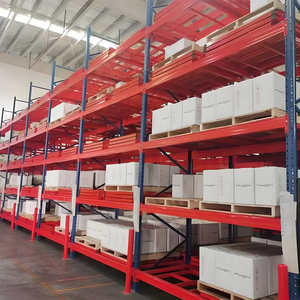
Safe Stable Heavy Duty Push Back Pallet Racking CE/ISO Certified
High-density LIFO storage solution utilizing nested inclined wheel carts. Pallets are pushed back dynamically, eliminating forklift entry into storage lanes.
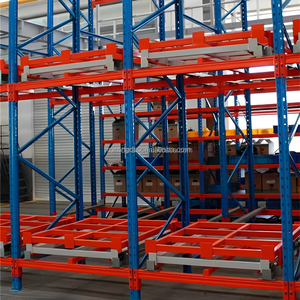
Warehouse Storage Adjustable Push Back Pallet Racking Steel Rack
Precision-engineered heavy-duty steel structure combining selective rack accessibility with high-density push-back functionality for fast-turnover SKUs.
Industrial Technical Whitepaper: Engineering Architecture of Block Stacking Racking Systems
In modern industrial logistics, optimizing vertical cubic space while maintaining strict floor load stability is paramount. As a premier China block stacking racking system manufacturer & supplier, SolidFort integrates advanced cold-form roll engineering, Finite Element Analysis (FEA), and high-yield structural steel (Q235B / Q355B) to engineer storage platforms that surpass global standards including AS4084-2023 (Australia), ANSI MH16.1 RMI (USA), and FEM 10.2.02 (Europe).
1. Physics of Block Stacking vs. Structural Racking
Traditional floor-level block stacking relies on directly stacking unit loads on top of one another. While it minimizes initial capital expenditure, it incurs severe structural limitations: lower-tier packaging crush risks, strict height limitations due to leaning instabilities, and zero selectivity. Engineered portable stacking frames and block stacking racking systems resolve these issues by creating a rigid steel skeleton around each pallet load.
When stackable pallet frames or post racks are layered 4 to 6 units high, the weight of upper pallets is transferred entirely through structural steel posts down to the ground slab. This eliminates load transfer onto goods, preventing product deformation and drastically increasing warehouse safety margins under dynamic forklift placement.
| Storage System Type | Footprint Utilization | Selectivity Ratio | Stacking Height limit | Best Application Scenarios |
|---|---|---|---|---|
| Selective Pallet Racking | Moderate (40-50%) | 100% Direct Access | Up to 12 meters | High-SKU diversity, e-commerce fulfillment hubs |
| Portable Stacking Racks (Nestainer) | Very High (75-85%) | LIFO / Batch Access | 4 to 6 tiers high | Seasonal surge inventory, tire storage, cold rooms |
| Drive-In / Drive-Thru Racking | High (65-75%) | Low (LIFO / FIFO) | Up to 10 meters | Homogeneous bulk goods, beverage warehouses |
| Push Back Racking Systems | High (70-80%) | Medium (Per Lane) | 2 to 6 pallets deep | Cold storage facilities, medium turnover SKUs |
2. Structural Integrity, FEA Simulation & Load Distribution
Every racking system manufactured in SolidFort’s 30,000㎡ Xiamen facility undergoes rigorous Finite Element Analysis. Under maximum loading conditions, structural upright columns experience both axial compression and bending moments caused by accidental forklift impacts or floor unevenness. Our engineering design ensures:
- Slenderness Ratio Limits: Upright profiles and diagonal bracing patterns are calculated to prevent local flange buckling under maximum rated point loads.
- Base Plate Anchoring: Anchor bolts, slab embedment depths, and floor shim leveling comply with local seismic zone requirements, providing maximum overturning resistance.
- Beam Deflection Standards: Load-bearing horizontal step beams are designed strictly to maintain deflection below
L/200(where L is beam clear span length) under uniform static load.
Future Procurement Trends in Warehouse Stacking & Racking Systems
As global supply chains transition toward hyper-automation, carbon reduction, and dynamic inventory handling, B2B rack procurement is undergoing a massive shift. Buyers searching for reliable China pallet racking suppliers must evaluate strategic market trends defining the next decade of warehouse storage design:
1. Automated Guided Vehicle (AGV) Integration
Future block stacking and push-back rack systems are engineered with ultra-precise entry tolerances and robotic positioning markers, enabling smooth interaction with autonomous forklifts and AMR systems without human error.
2. Eco-Friendly Green Steel & Zero-VOC Coatings
Environmental regulations demand sustainable supply chains. SolidFort utilizes low-carbon recycled steel billets and thermosetting epoxy powder coatings that emit zero volatile organic compounds (VOCs) during curing.
3. Modular Nestable Stacking Frames
Logistics hubs are moving away from permanent fixed structures. Portable nestable stacking frames (Nestainers) allow warehouses to expand or clear floor space in minutes based on seasonal inventory fluctuations.
Industry Development Trends: Evolution of Modern Block Stacking
The industrial storage equipment sector is evolving from simple physical containment into sophisticated operational enablers. Modern storage architectures prioritize high-density space efficiency, safety, and rapid deployment capabilities.
Key Technological Breakthroughs in Block Stacking Infrastructure:
- Hybrid Cold-Chain Engineering: Extreme low-temperature environments (down to -30°C in food freezing facilities) embrittle lower-grade carbon steels. Modern block stacking racks utilize special micro-alloy steel formulations treated with hot-dip galvanization or specialized cold-resistant powder coatings to prevent structural cracking.
- Seismic Resilience & Dynamic Energy Absorption: In active seismic zones (e.g., California, Japan, Chile, New Zealand), racking structures incorporate flexible beam-to-column locking connectors and baseplates designed to dissipate dynamic ground energy during earth movements.
- Smart RFID & Sensor-Embedded Racking: Intelligent storage systems now incorporate embedded load cell sensors and RFID tracking within beam levels, reporting real-time pallet weight distribution, bay occupancy, and accidental forklift collision alerts to the warehouse management software (WMS).
Why SolidFort is Your Premier Racking Manufacturing Partner in China
Founded in 2016 in Tongan District, Xiamen, SolidFort Storage Equipment Co., Ltd. has established itself as an authoritative global manufacturer of industrial racking systems, stackable metal frames, wire mesh decks, and mezzanine platforms.
Factory-Direct Pricing & Control
Operating a 30,000㎡ plant with automated roll-forming lines, continuous laser cutting, and robotic welding cells, we eliminate middleman markups while enforcing strict ISO9001 quality assurance.
Certified Global Compliance
Our engineering designs adhere rigorously to international standards including AS4084-2023, ANSI/RMI MH16.1, FEM 10.2.02, and CE certification, ensuring seamless building permit approvals worldwide.
Turnkey CAD & Engineering Support
Every project is handled by senior structural engineers. We provide complimentary CAD warehouse layout optimization, precise load calculations, and technical LARC drawings within 24 hours.
Frequently Asked Questions on Block Stacking & Racking
Get expert engineering insights into racking costs, safety standards, load capacity calculations, and floor anchoring requirements.
- Upright Frame Depth: Standard depth is 42 inches (1050mm), allowing a standard 3-inch (75mm) pallet overhang at the front and rear beams for safe placement.
- Beam Clear Span: Standard length is 96 inches (2700mm) for 2-pallet bays, or 144 inches (3600mm) for 3-pallet bays.
- Upright Height: Ranges from 8 feet (2.4m) up to 35 feet (10.5m+), determined by clear warehouse ceiling height and forklift maximum reach limits.
Transform Your Warehouse Cubic Storage Density Today
Get in touch with SolidFort’s senior engineering team for customized CAD warehouse layouts, structural load calculations, and factory-direct wholesale quotes within 24 hours.