Heavy-Duty Pallet Racking & Logistics Storage Systems
Engineered for high-bay operations, automated warehouses, and global distribution hubs.
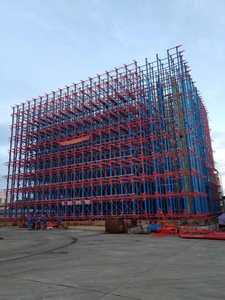
Pallet Shuttle Rack Deep Lane Storage & Retrieval System
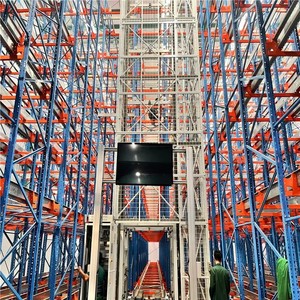
Intelligent Four-Way Steel Shuttle Rack System CE/ISO Certified
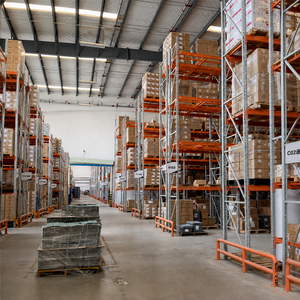
Heavy Duty Pallet Rack Back-to-Back Row with Guardrails
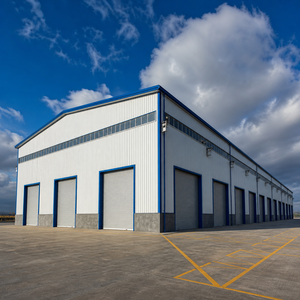
Reach Truck Very Narrow Aisle (VNA) Galvanized Steel System
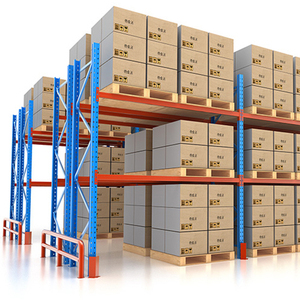
Heavy Duty Steel Single/Double-Depth Selective Pallet Racks
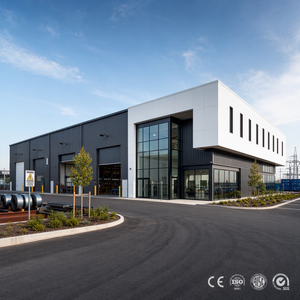
Customized Prefabricated Steel Structure Warehouse Building
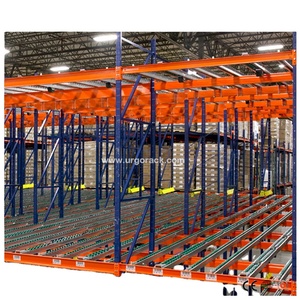
Professional Intensive Storage Gravity Flow Roller Pallet Rack
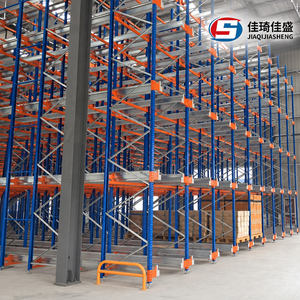
Multi-Level Automatic Two-Way Radio Shuttle Storage System
Architectural Engineering & Wholesale Sourcing of Industrial Pallet Systems
A technical guide for supply chain directors, logistics project managers, and warehouse equipment importers.
Modern logistics infrastructure relies heavily on the structural integrity, space efficiency, and operational throughput of heavy-duty steel storage systems. As global supply chains transition toward higher cubic utilization, automated fulfillment, and omni-channel distribution hubs, selecting the right manufacturing partner in China becomes a pivotal financial and operational decision. China's industrial manufacturing ecosystem produces over 60% of the world's warehouse racking components, leveraging advanced continuous roll-forming technology, automated robotic welding, and high-efficiency electrostatic powder coating lines.
However, navigating wholesale procurement requires deep technical clarity regarding structural load calculations, steel metallurgical grades (e.g., Q235B vs. Q355B cold-rolled steel), surface anti-corrosion treatments, and compliance with international standards such as AS4084:2023 (Australia), RMI ANSI MH16.1 (USA), and FEM 10.2.02 (Europe). This whitepaper analyzes critical design mechanics, future automation trends, comparative system trade-offs, and factory direct procurement protocols to maximize your return on investment (ROI).
High-Grade Steel Metallurgical Standard
Manufactured using certified structural Q235B and Q355B cold-rolled steel coils. Features high yield strength to prevent beam sagging and column buckling under dynamic fork-truck loading conditions.
Certified Load Mechanics & Safety Pins
Precision-engineered column profiles with tear-drop or omega punch geometries. All beam connectors include automatic safety locks to prevent accidental dislodgement during high-speed pallet extraction.
Custom CAD Layout & LARC Documentation
In-house structural engineering team provides complimentary 2D/3D CAD layout planning, Load Application and Rack Configuration (LARC) drawings, and seismic zone safety validation.
High-Density vs. Selective Logistics Storage Systems Matrix
Evaluate space utilization, SKU selectivity, and operational flow across primary industrial racking configurations.
| Racking System Type | Storage Density | SKU Selectivity | Inventory Management Flow | Typical Aisle Width (mm) | Primary Industrial Application |
|---|---|---|---|---|---|
| Selective Pallet Racking | Standard (40–50%) | 100% Direct Access | FIFO / LIFO Flexible | 3,000 – 3,800 | E-commerce fulfillment, 3PL hubs, diverse SKU warehouses |
| Very Narrow Aisle (VNA) | High (65–75%) | 100% Direct Access | FIFO / LIFO Flexible | 1,600 – 1,800 | High-bay distribution centers, limited floor footprint |
| Drive-In / Drive-Thru Rack | Very High (75–85%) | Low (Bulk Storage) | LIFO (Drive-In) / FIFO (Drive-Thru) | Forklift drives inside lanes | Cold storage, food & beverage, batch manufacturing |
| Radio Shuttle Cart System | Maximum (85–90%) | Medium (Per Lane) | Software Configurable (FIFO/LIFO) | Minimal (Front Dock Only) | Automated cold chain, high-volume fast-moving consumer goods |
| Push-Back Racking | High (60–70%) | Medium (2–6 Deep) | LIFO (Gravity Cart Flow) | 2,800 – 3,200 | Medium-turnover inventory, staging areas, raw materials |
| Gravity Flow Roller Rack | Maximum (80–85%) | High (Dedicated Lanes) | Strict FIFO (Gravity Roller Lanes) | Loading / Unloading Dedicated Aisles | Perishable goods, pharmaceuticals, fast-picking buffers |
Engineering Note: Upright frame structural capacity decreases as the unbraced vertical beam spacing increases. Always consult manufacturer Load Application and Rack Configuration (LARC) plaques before adjusting beam levels in your warehouse.
Emerging Technologies Shaping Global Warehouse Storage (2025–2030)
Strategic foresight for procurement managers building future-proof supply chain facilities.
1. Four-Way Autonomous Shuttle Integration
Traditional two-way radio shuttles are rapidly evolving into intelligent 4-way autonomous vehicles capable of changing lanes across vertical elevators. This reduces equipment downtime and increases pallet throughput by up to 300% in high-bay automated warehouses.
2. Green Steel & Low-Carbon Powder Coatings
Global ESG mandates require exporters to adopt low-emission manufacturing. Leading Chinese factories are transitioning toward recycled hydrogen-reduced steel billets and non-toxic VOC-free epoxy powder coatings, reducing embedded carbon footprints.
3. Digital Twin & IoT Structural Health Sensors
Next-generation heavy-duty rack columns now incorporate embedded micro-sensors to detect structural deflection, forklift impacts, and seismic vibration in real-time, sending automated safety maintenance alerts to warehouse management software (WMS).
Technical Deep-Dive: Cold-Chain Anti-Corrosion Protection
In sub-zero cold storage facilities operating between -25°C and -40°C, traditional paint coatings are vulnerable to thermal cracking and moisture-induced rust. Advanced OEM exporters utilize specialized Hot-Dip Galvanizing (HDG) conforming to ISO 1461, achieving zinc coating thicknesses of 60 to 80 microns. This metallurgy guarantees over 20 years of maintenance-free service in humid, sub-zero environments, protecting critical structural uprights from micro-fractures.
Why Direct Factory Sourcing Outperforms Trading Intermediaries
SolidFort Storage Equipment Co., Ltd. combines factory-direct pricing with rigorous international engineering support.
Automated Roll-Forming
Over 16 continuous high-precision steel roll-forming lines ensure uniform profile wall thickness, tight dimensional tolerances, and zero stress fracture along beam punchings.
Robotic Seam Welding
ABB and KUKA robotic welding stations ensure 100% penetration welds on beam connector hooks and base plates, eliminating human error in structural load-bearing points.
Optimized Container Packing
Specialized bundle nesting techniques maximize 40ft High Cube container payload efficiency. Reduces ocean freight costs per pallet position by 18% to 24% for international buyers.
Frequently Asked Questions: Global Pallet Racking Sourcing
Direct answers from senior structural engineers regarding cost, safety, permit compliance, and logistics.
Q1: What is the typical cost per pallet position for wholesale racking systems?
Wholesale material costs generally range from USD 45 to USD 95 per pallet position for standard selective racking. High-density shuttle systems range between USD 110 and USD 240 per position, depending on steel thickness, height, seismic zone compliance, and automated shuttle mechanics.
Q2: Why is concrete slab anchoring mandatory under ANSI/RMI MH16.1?
Floor anchoring prevents baseplate displacement caused by accidental forklift bumps, operational vibration, and seismic tremors. Anchor depth (typically 100mm to 150mm wedge or chemical anchors) ensures the racking structure transfers vertical and shear loads safely into the concrete foundation.
Q3: What engineering information is needed for a free CAD warehouse proposal?
To design an accurate system layout, buyers should supply: (1) Warehouse building CAD drawing indicating clear height and column grid, (2) Pallet dimensions (L x W x H) including cargo overhang, (3) Maximum load weight per pallet, and (4) Forklift truck model or minimum operating aisle width.
Q4: How do AS4084, RMI, and FEM structural standards differ?
While all three standards govern cold-formed steel rack safety, AS4084 (Australia) enforces specific testing protocols for frame shear stiffness, RMI ANSI MH16.1 (USA) focuses on perforations and baseplate anchor design, and FEM 10.2.02 (Europe) utilizes partial safety factors tailored to European building codes.
Q5: What is the average lead time for custom engineered OEM orders?
Standard pallet rack orders are typically manufactured and dispatched within 10 to 15 business days. Large-scale custom engineered projects or complex automated AS/RS shuttle projects average 25 to 35 days from finalized CAD sign-off.
Q6: Can standard selective pallet racks be converted to Radio Shuttle systems?
Standard selective racking frames cannot be directly converted because radio shuttle systems require deep-lane support rails, specialized entrance guide profiles, and reinforced beam connectors. However, existing warehouse floor slabs can easily accommodate a new shuttle rack footprint.
Transform Your Warehouse Storage Efficiency
Connect with our senior engineering team today for custom CAD warehouse layout designs, load calculations, factory-direct wholesale pricing, and technical product catalogs.
Get Catalog