Engineering-Grade Dynamic & Heavy-Duty Racking Systems
Precision-fabricated cold-rolled structural steel storage solutions built for maximum cubic volumetric efficiency and strict warehouse safety compliance.
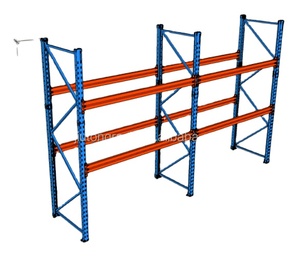
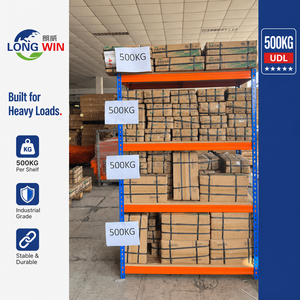
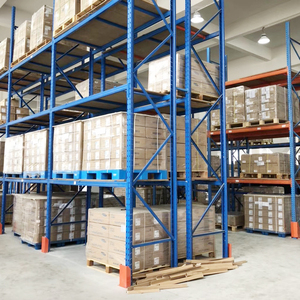
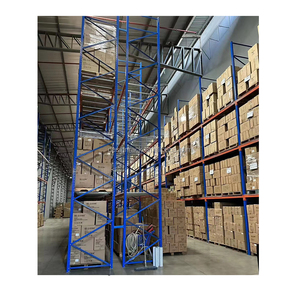
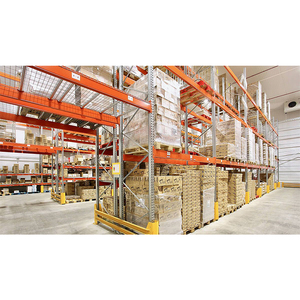
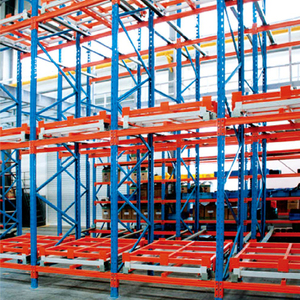
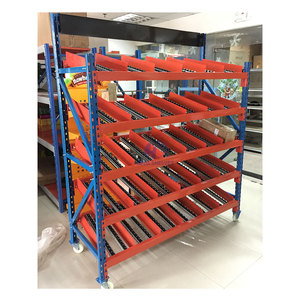
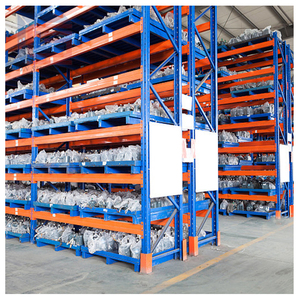
1. Technical Whitepaper: The Evolution of OEM/ODM Dynamic Pallet Racking Systems
Modern material handling and logistics management demand maximum volumetric throughput within constrained warehouse footprints. Static selective racking systems, while providing 100% immediate SKU selectivity, frequently fall short in high-density storage applications due to excessive aisle space requirements. Industry research indicates that up to 60% of conventional warehouse floor space is occupied by operational aisles rather than inventory payload.
Dynamic Pallet Racking Systems—encompassing Pallet Flow (Gravity Flow), Push-Back Racking, Radio Shuttle Automation, and Live Motion Roller Systems—solve this structural inefficiency by integrating kinetic movement, gravity-assisted inclines, or mechanical shuttles into the racking infrastructure. As a premier OEM/ODM pallet racking manufacturer located in Xiamen, China, SolidFort Storage Equipment engineered high-density dynamic systems strictly calibrated to global structural engineering standards including Australian Standard AS4084:2012, American RMI (ANSI MH16.1), and European FEM 10.2.02.
Engineering Core Principle: Dynamic pallet racking relies on structural cold-formed steel sections (Q235B and Q355B structural grades) engineered for dynamic impact absorption, rolling kinetic friction compensation, and longitudinal frame stability under continuous movement.
Pallet Flow (Gravity Flow)
Utilizes inclined roller tracks (3–4% slope) with speed-controlling centrifugal brake rollers to deliver strict First-In, First-Out (FIFO) pallet rotation automatically.
Push-Back Nesting Carts
Operates on an inclined rail system with nested structural steel carts. Offers Last-In, First-Out (LIFO) inventory control for 2 to 6 pallet-deep lane configurations.
Semi-Automated Radio Shuttle
Employs self-propelled smart shuttle carts within deep racking channels. Eliminates forklift entry entirely, protecting structural upright frames from accidental impact.
2. Structural Steel Material Specifications & Metallurgy
The structural integrity of heavy-duty dynamic storage systems hinges on cold-formed high-tensile structural steel profiles. SolidFort utilizes certified Q235B and Q355B steel coils featuring guaranteed yield strength ratings of 235 MPa and 355 MPa, respectively. Cold roll-forming profiles undergo continuous multi-stage roller shaping to maintain exact dimensional tolerances across upright columns, step beams, and nested cart tracks.
Under continuous loading, upright columns experience complex combined axial compression and bending moments. Our finite element analysis (FEA) testing verifies frame deflection stays well below the strict structural limit ratio of L/240. Furthermore, all structural components receive an electrostatically applied thermosetting epoxy-polyester powder coat finish (60–80 micron thickness), executed through an automated 7-stage pre-treatment wash to resist oxidation in harsh industrial or sub-zero cold storage environments (-30°C).
Comparative Engineering Analysis of Dynamic vs. Static Storage Systems
To assist logistics directors and warehouse facility engineers in making objective capital equipment procurement decisions, the technical matrix below highlights critical operational parameters across primary dynamic racking variants versus conventional selective frames.
| Racking System Architecture | Volumetric Density | Inventory Logic | SKU Selectivity Rate | Forklift Travel Time | Structural Load Rating |
|---|---|---|---|---|---|
| Selective Pallet Racking | Baseline (40%) | FIFO / LIFO | 100% Direct Access | Standard | Up to 4,500 kg / Beam Pair |
| Double Deep Storage | Medium (60%) | LIFO | 50% Immediate Access | Reduced by 20% | Up to 3,500 kg / Level |
| Pallet Flow (Gravity Roller) | High (85%) | Strict FIFO | 1 SKU per Lane | Reduced by 45% | 1,500 kg / Pallet Position |
| Push-Back Cart System | High (75%) | LIFO | 1 SKU per Lane | Reduced by 35% | Up to 1,400 kg / Cart Level |
| Semi-Automated Radio Shuttle | Maximum (90%) | FIFO / LIFO Configurable | High Volume / Deep Channel | Reduced by 60% | Up to 2,000 kg / Shuttle Load |
3. Global Procurement Trends in Industrial Pallet Racking (2026–2035)
As international supply chains evolve toward lean logistics, automated fulfillment, and carbon footprint reduction, warehouse rack procurement is undergoing significant technological transformations. Buyers, importers, and EPC contractors must align their structural investments with future industry standards:
Trend 1: AGV and AMR Autonomous Handling Integration
Traditional racking design assumed manual forklift operation with wide tolerance margins. Next-generation dynamic racking systems are engineered with precision optical markers, laser-aligned entry guides, and ultra-flat floor tolerance integrations specifically tailored for Autonomous Mobile Robots (AMRs) and Automated Guided Vehicles (AGVs). OEM manufacturers must deliver beam deflection tolerances smaller than 2mm to avoid misguiding automated sensor systems.
Trend 2: Cold-Chain Expansion & Cold-Resistant Structural Alloys
With global demand for frozen food, bio-pharmaceuticals, and temperature-sensitive perishables rising rapidly, cold storage facility operators are prioritizing high-density systems like Radio Shuttle and Push-Back racking to minimize cubic refrigerated space. Steel formulations used in these systems require specialized chemical additives (such as controlled Manganese and Silicon percentages) to preserve microstructural ductility and prevent brittle fracture at sub-zero temperatures.
Trend 3: Smart Racking & IoT Structural Health Monitoring
Dynamic racking structures in high-seismic zones or heavy-duty logistics hubs are increasingly integrated with real-time strain-gauge sensors and vibration monitors. These IoT sensors alert facility managers immediately upon detecting structural upright deformation caused by forklift collisions, preventing catastrophic rack collapses before they occur.
Trend 4: Demand for Customized OEM/ODM Modular Systems
Standard off-the-shelf rack components often fail to fit non-standard warehouse column grids or specialized pallet dimensions (such as non-standard 1200x1200mm, plastic pods, or metal stills). Modern enterprise buyers are bypassing intermediary traders to work direct with factory-direct OEM/ODM manufacturers capable of custom engineering roll-forming dies, tailored beam connector hooks, and variable upright punch patterns.
4. SolidFort Enterprise Strengths & Manufacturing Quality Assurance
SolidFort Storage Equipment Co., Ltd. operates an advanced 30,000 square-meter production facility in Xiamen, China. Built upon an engineering-first methodology, SolidFort combines industrial manufacturing scale with meticulous design customization.
Advanced FEA Structural Simulation
Every custom OEM/ODM racking layout undergoes Finite Element Analysis (FEA) to verify seismic resilience, frame buckling factors, and maximum load capacity under peak operational stresses.
Automated Continuous Roll-Forming
Equipped with 10+ precision roll-forming lines and robotic welding workstations, ensuring pitch spacing accuracy within ±0.5mm across 12-meter upright columns.
Rigorous Quality Testing Lab
In-house tensile testing, weld seam ultrasonic inspection, powder coat cross-hatch adhesion testing, and salt-spray corrosion chamber testing guaranteeing long service life.
Container-Optimized Global Logistics
Standard orders ship within 10 to 15 days. Customized steel bundle packing and container layout planning maximize volume utilization while protecting powder-coated surfaces.
5. Frequently Asked Questions (FAQ) for Warehouse Procurement Managers
Standard selective pallet racking generally ranges from USD 50 to USD 100 per pallet position for basic steel component procurement. In contrast, dynamic high-density systems—such as Push-Back, Pallet Flow, or Radio Shuttle systems—typically average USD 100 to USD 250 per pallet position due to integrated mechanical carts, braking rollers, or automated shuttle units.
However, dynamic systems dramatically reduce structural warehouse building footprint requirements, cut heating/refrigeration energy expenses, and eliminate wasted aisle space, typically achieving full return on investment (ROI) within 18 to 24 months of deployment.
Under international safety standards including ANSI/RMI MH16.1, AS4084:2012, and FEM 10.2.02, every rack column baseplate must be structurally anchored to the reinforced concrete slab using approved expansion or wedge anchors.
Anchoring prevents frame displacement caused by operational forklift impacts, resists overturning moments during seismic events, and maintains horizontal alignment necessary for dynamic carts or rollers to function smoothly without binding.
Load capacity calculation involves two distinct structural limits: Beam Level Capacity (the uniformly distributed load a pair of horizontal beams can support without exceeding L/200 deflection limits) and Upright Frame Capacity.
Upright capacity is not a static figure; it decreases as the unsupported vertical distance between beam levels (beam pitch) increases. Never estimate load limits manually; facility operators should always reference the engineer-certified Load Application and Rack Configuration (LARC) drawings provided by SolidFort.
Dynamic systems feature moving mechanical parts that require semi-annual inspection. Maintenance routines include checking speed-controller centrifugal brakes for smooth rotation, clearing dust or debris from gravity roller tracks, inspecting push-back nested cart wheels for flat spots, and verifying safety beam lock pins remain fully engaged.
To produce a free engineer-backed CAD warehouse plan and detailed quotation, please provide: (1) Warehouse building floor plan with column spacing and clear ceiling height; (2) Pallet dimensions (Width x Depth x Height including cargo); (3) Maximum weight per loaded pallet; (4) Forklift model, reach height, and operating aisle width constraints; and (5) Minimum operating temperature ( ambient vs. cold storage).
Ready to Maximize Your Warehouse Storage Density?
Contact SolidFort's senior rack engineering team today for a complimentary CAD warehouse layout design, structural load calculations, and factory-direct OEM/ODM pricing.
Get Catalog