Product Catalog
High-Performance Industrial Boltless Racking Systems
Direct factory-engineered storage racking solutions designed to AS4084, RMI ANSI MH16.1, and FEM 10.2.02 international standards.
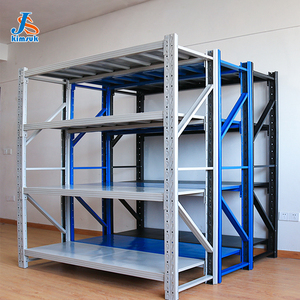
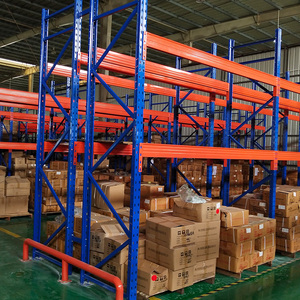
5 Layer Industrial Warehouse Storage Shelving Racks Heavy Duty Adjustable Boltless Rivet Rack Powder Coated Corrosion Protection
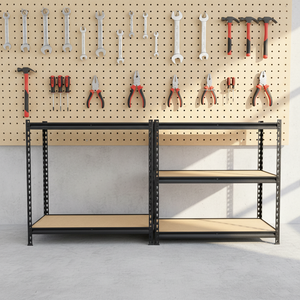
4 Tier Industrial Heavy Duty Boltless Racking Garage Workshop Shelving Warehouse Shelves
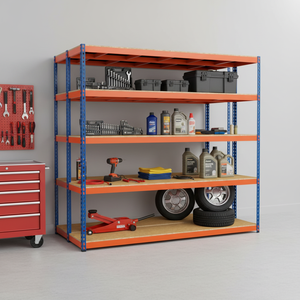
Heavy Duty Industrial Shelving Unit 4 Levels Boltless Adjustable Powder Coated Warehouse Pallet Racking
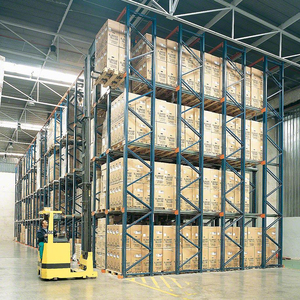
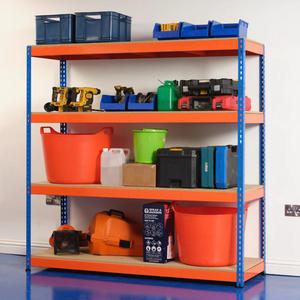
Boltless Heavy Duty Pallet Rack System Industrial Warehouse Storage Solution
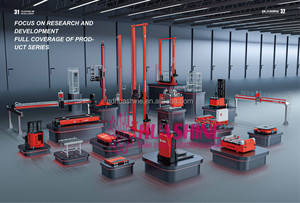
HEAVY DUTY HUASHINE ASRS Automatic Storage Racking System with Stacker Crane/AGV/4 WAY CAR for the Raw Material/finished Goods
Gravity Rack Foldable Shelvesing Carton Live Rack Storage Rack VNG Narrow Aisle Racking 2500 3000 3500 4000 KG
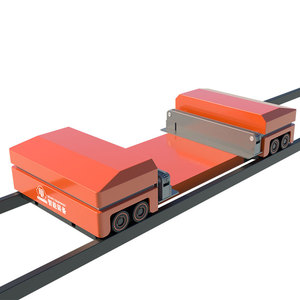
Maoyuan Shuttle Cruiser Rgv Rail Guided Vehicle Pallet Shuttle Conveyor System 1500kg Capacity Automatic Cart Storage Smart
Industry Whitepaper & Technical Insights
1. Global Sourcing Landscape for Boltless Pallet Racking Systems
In modern industrial logistics, warehouse managers and supply chain directors face an increasing imperative to maximize vertical space utilization while decreasing installation lead times and labor overhead. Standard bolted racking structures, while structurally sound, present major bottlenecks during fast-track installations due to the intensive labor required to fasten hundreds of mechanical bolts, torques, and washers. Consequently, heavy-duty boltless pallet racking systems—utilizing interlocking teardrop, rivet, or keyhole connector clips—have captured a dominant share of global warehouse infrastructure investments.
Unlike light-duty retail shelving, industrial boltless pallet racking is engineered to withstand severe static loads (ranging from 1,000 kg to over 4,500 kg per beam level) as well as dynamic impact stresses imparted by heavy reach trucks and forklifts. As global procurement shifts toward factory-direct sourcing, evaluating manufacturing plants based on metallurgical integrity, roll-forming precision, structural safety factors, and compliance with building codes (such as RMI ANSI MH16.1 in North America, AS4084-2023 in Australia, and FEM 10.2.02 in Europe) is critical for structural stability and risk management.
Key Engineering Insight: Boltless racking relies on self-locking taper connections. As weight is added onto the step beam, the mechanical wedging action between the beam connector lug and the upright teardrop hole increases structural rigidity without requiring mechanical fasteners. This reduces installation downtime by up to 65% compared to bolted frame assemblies.
2. Top 10 Boltless Pallet Racking Factories & Exporters in 2026
Based on global export volume, manufacturing automated infrastructure, engineering verification capabilities, and quality control systems, the following ten manufacturers represent the premier Tier-1 suppliers for B2B procurement of boltless racking systems globally:
01
SolidFort Storage Equipment Co., Ltd.
Xiamen, China (30,000㎡ Plant)
SolidFort is an engineering-driven OEM/ODM manufacturer specializing in high-capacity selective, drive-in, cantilever, and automated boltless racking systems. Operating automated CNC cold roll-forming lines and robotic welding units, SolidFort delivers precision-engineered racks to 53+ countries.
- Standards Compliance: AS4084-2023, ANSI/RMI MH16.1, FEM 10.2.02, ISO 9001/14001
- Core Competency: Rapid OEM customization, 10–15 day lead times, full LARC drawings
- Steel Grade: Certified Q235B / Q355B high-tensile cold-rolled steel
02
SSI Schaefer Group
Neunkirchen, Germany
A global giant in material handling and automated logistics systems. SSI Schaefer provides highly standardized boltless pallet racking engineered for seamless integration with automated crane systems and conveyance units.
- Key Strengths: Modular racking architecture, ultra-high automated integration
- Target Market: Multinational mega-fulfillment hubs and cold-chain logistics centers
03
Mecalux Storage Systems
Barcelona, Spain / Chicago, USA
Operating extensively across Europe and the Americas, Mecalux is recognized for robust teardrop boltless pallet rack designs and proprietary warehouse management software integration.
- Key Strengths: Comprehensive global sales network and automated shuttle systems
- Certifications: ISO 9001, RMI Certified Manufactures Group
04
Stow International
Spiere-Helkijn, Belgium
Stow is one of Europe's leading manufacturers of industrial racking systems, focusing heavily on heavy-duty pallet rack frame profiles, drive-in systems, and automated pallet shuttle solutions.
- Key Strengths: Heavy payload engineering and automated SILO rack-clad building capabilities
- Standard Focus: EN & FEM European structural specifications
05
Dexion (Gonvarri Material Handling)
Laubach, Germany / APAC Division
Pioneers in slot-and-key hole racking profiles, Dexion maintains strong market penetration in Europe, Australia, and New Zealand with structural racking designed for demanding industrial environments.
- Key Strengths: Extensive distribution network and specialized heavy cantilever lines
- Design Focus: High-density mobile pallet racking and boltless keyhole slots
06
Jungheinrich AG
Hamburg, Germany
Known globally for forklift truck production, Jungheinrich also produces industrial pallet racking matched to their material handling vehicle geometries and automated guided vehicles (AGVs).
- Key Strengths: Integrated system pairing between vehicle chassis and rack structural clearances
- Market Segment: Automated high-bay warehouses
07
Frazier Industrial Company
New Jersey, USA
Frazier is famous for manufacturing structural steel racking systems. While utilizing heavy structural steel channels, their beam-to-column connection points utilize specialized heavy pin boltless locking mechanisms.
- Key Strengths: Structural hot-rolled steel channel construction for high forklift impact areas
- Standards: RMI certified for North American distribution centers
08
Hannibal Industries
California, USA
Hannibal Industries provides steel pallet racking, specializing in teardrop boltless systems engineered for high seismic activity zones along the Pacific Rim.
- Key Strengths: Dual-rivet teardrop connections and engineered seismic bracing frames
- Industry Application: High-velocity e-commerce distribution centers
09
Ridg-U-Rak Inc.
Pennsylvania, USA
Producing over 100 million pounds of rack annually, Ridg-U-Rak manufactures broad lines of teardrop, hook-and-slot, and drive-in boltless storage rack systems.
- Key Strengths: Massive production scale and proprietary spring-lock safety catch mechanisms
- Compliance: RMI ANSI MH16.1 compliant design models
10
Interroll Group
Sant'Antonino, Switzerland
Interroll specializes in dynamic storage solutions, providing modular gravity flow rack structures and roller modules that integrate into boltless framework systems.
- Key Strengths: FIFO pallet flow lanes, speed controllers, and magnetic braking rollers
- Primary Focus: High-throughput FIFO logistics operations
3. Technical Engineering Anatomy of Boltless Pallet Racks
Understanding the structural mechanics of boltless pallet racking is critical when engineering heavy-duty storage layouts. The stability of a boltless rack relies on three primary structural components working in mechanical harmony:
Cold-Formed Upright Profiles
Upright columns are manufactured from continuous cold-rolled steel coils (Q235B or Q355B structural grade), shaped into 8-to-12-fold omega profiles. This multi-flange geometry drastically increases section modulus ($Z_x, Z_y$) and buckling resistance under heavy axial loads.
Step & Box Beams with Connector Lugs
Horizontal step beams support steel or wire mesh decks, while heavy box beams support pallet runners directly. End connectors feature 3 to 5 welded steel lugs that wedge tightly into column teardrops, creating a rigid joint resistant to rotational moment forces.
Auto-Locking Safety Pins
To eliminate dislodgement caused by accidental upward forklift strikes, each beam-to-frame connector incorporates a spring steel or gravity safety pin. This pin locks into a dedicated alignment hole, fulfilling OSHA and ANSI safety compliance standards.
Engineering Comparison: Structural Specs Across Racking Configurations
| Racking Type | Access / Selectivity | Storage Density | Max Payload / Level | Structural Standard |
|---|---|---|---|---|
| Selective Boltless Pallet Rack | 100% Direct Access | Standard (60-65% Footprint) | 1,000 kg – 4,500 kg | AS4084 / RMI MH16.1 / FEM |
| Drive-In / Drive-Thru Racking | Low (LIFO / FIFO) | High (80-85% Footprint) | 1,500 kg / Pallet Position | FEM 10.2.07 / AS4084 |
| Radio Shuttle Cart System | Medium (Automated) | Ultra-High (85-90%) | 1,500 kg / Shuttle Run | CE / ISO / FEM Compliant |
| VNA (Very Narrow Aisle) Rack | 100% Direct Access | High Vertical Density | 2,000 kg – 3,500 kg | AS4084 / EN 15629 |
| Heavy-Duty Cantilever Rack | 100% Unobstructed Front | Specialized Long Goods | 500 kg – 3,000 kg / Arm | FEM 10.2.09 / RMI |
4. Future Global Procurement Trends (2026–2030)
Procurement practices for warehouse storage equipment are rapidly evolving in response to supply chain restructuring, raw material price fluctuations, and decarbonization mandates. B2B buyers should account for the following micro and macro trends when planning upcoming capital expenditures:
A. Integration with Automated Guided Vehicles (AGVs) & Shuttle Robots
Traditional static racking is increasingly giving way to semi-automated and fully automated hybrid layouts. Boltless pallet racks are now routinely engineered to accommodate Radio Shuttle Carts and Four-Way Autonomous Mobile Robots (AMRs). In these installations, dimensional tolerances must be strictly controlled to within $\pm 1.5\text{ mm}$ over 10-meter bay spans to ensure robotic positioning sensors operate without disruption.
B. Shift Toward Direct Factory Sourcing & Complete Technical Transparency
Modern procurement directors are bypassing intermediary distributors to work directly with racking manufacturers capable of offering in-house engineering verification. Sourcing directly from factories equipped with 30,000+ square meter plants allows buyers to command lower costs per pallet position, customize steel gauge thicknesses, and inspect raw material mill test certificates (MTCs) to ensure structural safety.
C. Environmental Sustainability & Zero-VOC Electrostatic Coatings
With global ESG (Environmental, Social, and Governance) metrics gaining weight in corporate buying decisions, racking manufacturers are upgrading powder coating infrastructure. Leading exporters now utilize fully automated multi-stage pre-treatment washing and thermosetting epoxy-polyester powder coats that release zero Volatile Organic Compounds (VOCs) and deliver over 500 hours of salt spray corrosion resistance.
5. Future R&D & Technological Development Trends
The next generation of boltless pallet racking systems is undergoing significant technological advancement driven by smart materials science and structural analytics:
- Smart Strain Sensor Integration: R&D labs are testing piezoelectric load cell sensors embedded directly within upright column bases. These IoT sensors broadcast real-time stress data to warehouse management software (WMS), alerting facility management if a rack bay exceeds safe Load Application and Rack Configuration (LARC) limits or experiences dynamic structural damage from forklift impact.
- Ultra-High Strength Cold-Rolled Steels: Transitioning from standard Q235 steel to micro-alloyed Q355 and Q460 high-tensile steels allows manufacturers to reduce structural deadweight while maintaining or increasing structural load ratings. This material optimization lowers international ocean freight shipping costs per pallet position by up to 15%.
- Modular Seismic-Damping Footplates: Developed specifically for earthquake-prone regions, new boltless racking designs feature elastomeric dynamic dampers built into the baseplate assembly. These baseplates absorb shear shock waves during seismic events, drastically reducing upright frame buckling risks.
Direct Factory Advantage
Why Sourcing from SolidFort Protects Your Warehouse ROI
At SolidFort Storage Equipment Co., Ltd., we combine heavy-duty structural manufacturing with rigorous structural engineering. Operating out of our 30,000㎡ plant in Xiamen, China, we deliver turnkey warehouse storage solutions tailored to your operational requirements.
- Free CAD Warehouse Layouts
- AS4084 / RMI Certified Engineering
- 10–15 Day Fast-Track Production
- Container Loading Optimization
- Automated Powder Coating Line
- Comprehensive 10-Year Warranty
Request a Custom Engineering Quote
Send us your warehouse dimensions and pallet specifications for a free layout design and load calculation report within 24 hours.
Contact Us
Procurement FAQ
Frequently Asked Questions by Industrial Buyers
Technical guidance from structural engineers on specifying, costing, and maintaining boltless pallet rack systems.
What is the average cost per pallet position for industrial boltless racking systems?
Pricing per pallet position varies based on steel market fluctuations, total height, load capacity per level, and surface finishes:
- Standard Selective Boltless Pallet Racking: Averages USD $45 – $90 per pallet position for standard configurations handling 1,000kg to 2,000kg per level.
- High-Density Systems (Drive-In / Push-Back): Averages USD $90 – $180 per pallet position due to additional guide rails, support arms, and structural bracing.
- Automated Radio Shuttle Racking: Ranges from USD $150 – $300+ per position (excluding shuttle cart electronics).
Do boltless pallet racking columns strictly require concrete floor anchoring?
Yes, absolutely. Under ANSI/RMI MH16.1, AS4084, and OSHA regulations, every structural upright baseplate must be securely anchored to the concrete slab using certified mechanical or chemical wedge anchor bolts.
Anchoring prevents frame tipping during loading cycles, resists lateral seismic shear forces, and ensures the rack maintains structural integrity after accidental forklift bumps. Anchor bolt specs (diameter and embedment depth) are calculated based on slab thickness and local seismic zone ratings.
How is the load capacity of a boltless beam and frame calculated?
Capacity is governed by two independent structural metrics:
- Beam Capacity (Uniformly Distributed Load - UDL): The maximum weight a pair of horizontal beams can support without exceeding a maximum deflection limit of $L/200$ (where $L$ is beam length).
- Upright Frame Capacity: Calculated using finite element analysis (FEA) based on the unbraced length between beam levels. Important: Increasing vertical distance between beam levels reduces total upright load capacity.
Always verify capacities using the manufacturer's LARC (Load Application & Rack Configuration) engineering drawing plaque installed on the rack end-frame.
What are standard boltless pallet racking dimensions for GMA and Euro pallets?
Standard rack dimensions are tailored to match standardized pallet profiles:
- For North American GMA Pallets (40" × 48"): Standard frame depth is 42 inches (1,067 mm), providing a standard 3-inch pallet overhang front and back. Standard beam length is 96 inches (2,438 mm) to hold two pallets side-by-side.
- For Euro Pallets (1,200 × 800 mm): Standard frame depth is 1,100 mm with beam lengths of 2,700 mm (holding three Euro pallets per level).
What is the standard production lead time and export shipping term?
Standard order production at SolidFort's Xiamen factory takes 10 to 15 business days from CAD layout approval. Custom engineered or large-scale automation projects generally ship within 30 days.
We support global shipping terms including FOB (Free on Board), CIF (Cost, Insurance & Freight), and DDP (Delivered Duty Paid), providing a container packing plan with every delivery to maximize cubic space and reduce sea freight expense.