In modern global logistics, supply chain efficiency relies on optimizing structural volume, load capacities, and inventory flow safety. As top-tier bulk storage pallet racking manufacturers and global exporters, SolidFort Storage Equipment Co., Ltd. offers heavy-duty storage infrastructure backed by engineering precision. Operating from a 30,000㎡ manufacturing plant in Xiamen, China, we deliver high-density storage platforms—ranging from selective pallet racking and automated radio shuttle systems to heavy-duty cantilever structures—tailored for global distributors, 3PL logistics hubs, and industrial manufacturing sites across 53+ nations.
Featured Heavy-Duty Bulk Storage Racking Systems
Explore our top-performing industrial racking configurations, engineered for extreme structural integrity and high-density warehouse efficiency.
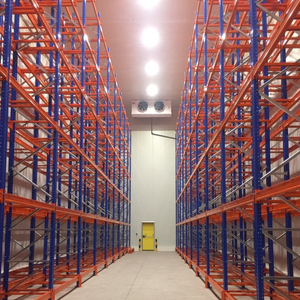
Double Rack Designed To Increase Storage Capacity With Stable Dual Row Configuration
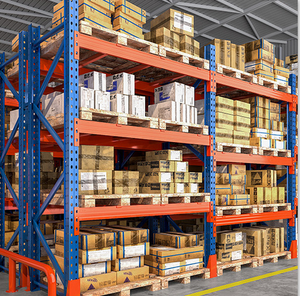
Industrial Heavy Duty Push-Back Pallet Racking System Anti-Collision 30000kg Capacity Wire Mesh Deck
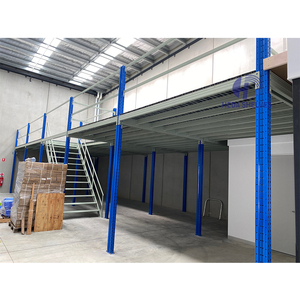
Mezzanine Beam Pallet Rack Steel Structure Mezzanine Floor Warehouse Heavy Duty Loft Platform
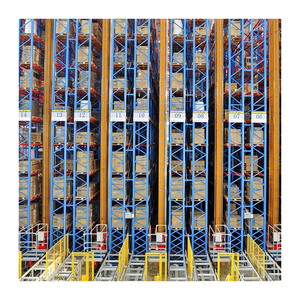
Automated Pallet Racking System Smart Inventory Circulation Industrial Storage Radio Shuttle Steel
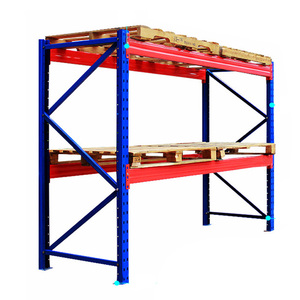
Outdoor Pallet Racking Metal Storage Organizer Rack For Factory 1000KG 2000KG 3000KG Heavy Duty
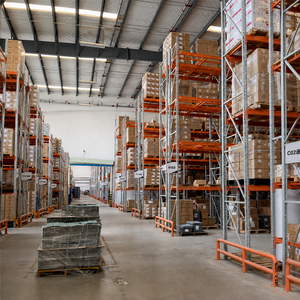
Heavy Duty Pallet Rack Back to Back Double Entry Row with Safety Guardrails for E-commerce Storage
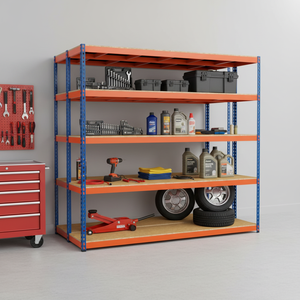
4 Tier Industrial Heavy Duty Boltless Racking Garage Workshop Shelving Warehouse Shelves
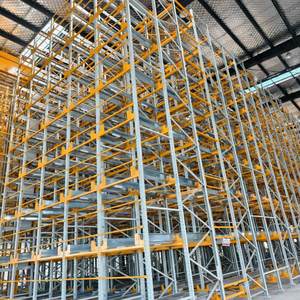
Customizable Four-Way Shuttle Racking Automated Warehouse Shelving CE/ISO Corrosion Steel
Enterprise Manufacturing Strengths & Structural Engineering Rigor
At SolidFort, bulk storage industrial pallet racking is engineered as load-bearing structural architecture. Sourcing high-tensile steel and maintaining automated production workflows ensures zero-defect reliability under static and dynamic loading conditions.
High-Grade Structural Steel & FEA Modeling
Our upright frames and step beams utilize certified Q235B and high-yield Q355B cold-rolled structural steel. Every racking configuration undergoes rigorous Finite Element Analysis (FEA) to simulate localized buckling, flexural torsional resistance, and maximum beam deflection (strictly maintained within the L/180 limit per international safety codes).
Tri-Standard Compliance: AS4084, RMI & FEM
Global logistics operations demand compliance with localized structural and seismic building codes. SolidFort racking systems are designed, calculated, and manufactured with strict adherence to Australian standard AS4084:2023, American RMI standard ANSI MH16.1, and European FEM 10.2.02 guidelines, accompanied by Load Application & Rack Configuration (LARC) engineering plaques.
Automated Continuous Roll-Forming & Finishing
Our Xiamen facility houses 14 automated continuous roll-forming production lines, robotic welding stations, and an advanced thermosetting epoxy-polyester electrostatic powder coating line. Surface preparation includes multi-stage phosphating wash to achieve superior paint adhesion, corrosion protection, and impact resistance against operational forklift collisions.
Turnkey Direct Sourcing & Container Optimization
From complimentary 2D/3D CAD warehouse layout design to precision container packing plans, SolidFort mitigates international shipping vulnerabilities. Standard orders complete production within 10 to 15 days, shipping under FOB, CIF, or DDP terms with comprehensive installation hardware and structural guidance.
Future Procurement Trends in Industrial Bulk Storage (2025–2030)
Global supply chain directors and warehouse procurement managers are moving away from reactive commodity purchasing toward strategic lifecycle sourcing. Understanding these macro procurement trends is vital for long-term ROI.
Shift to Automation-Ready Infrastructure
Procurement strategies now prioritize hybrid storage designs. Modern warehouses select pallet racking frames capable of seamlessly transitioning from traditional reach-truck operation to Automated Guided Vehicle (AGV) or Autonomous Mobile Robot (AMR) high-density shuttle integration without requiring full structural replacement.
Total Cost of Ownership (TCO) Sourcing
Rather than evaluating initial purchase price alone, global enterprise buyers calculate TCO across a 15-year lifecycle. Key metrics include structural damage resilience, availability of standardized replacement components, modular expansion flexibility, and residual steel value.
Green Steel & ESG Compliance
Environmental standards in North America and Europe mandate transparent carbon footprint auditing across the industrial supply chain. Top bulk storage manufacturers are adopting low-emission steel production, recyclable packaging materials, and non-VOC powder coatings to assist clients in achieving ESG certification goals.
Technological Development Trends in Pallet Racking Engineering
Material science and robotic automation continue to redefine warehouse storage capabilities. Below are the core technological innovations shaping modern high-density pallet racking manufacturing.
1. Advanced High-Strength Thin-Walled Steel Profiling
Innovations in cold-roll profiling allow manufacturers to utilize high-yield strength steel alloys (up to 450 MPa) with optimized section geometries. Multi-stiffener column profiles maximize load capacity while minimizing raw steel weight, reducing ocean freight costs without sacrificing dynamic strength.
2. Smart IoT Load Sensors & Structural Health Monitoring
Next-generation bulk storage installations integrate embedded IoT strain sensors and laser deflection monitoring. Connected directly to Warehouse Management Systems (WMS), these real-time sensors alert safety managers to structural impacts, overloaded beam levels, or floor slab settlement before physical failures occur.
3. Four-Way Automated Shuttle Swarm Technology
Transitioning from traditional 2-way radio shuttles to intelligent 4-way direction-switching shuttle fleets. These systems utilize multi-tier vertical lifters and smart fleet management software to maximize cubic pallet storage density by up to 85% compared to standard selective racking setups.
4. Self-Healing Anti-Corrosion Surface Treatments
For cold storage, outdoor, and humid chemical environments, technological advancements in pre-galvanized micro-alloy zinc-aluminum-magnesium (ZAM) coatings provide self-healing edge protection, eliminating rust propagation even when scratched by forklift tines.
Technical Racking System Selection Matrix
Evaluate operational metrics across primary industrial pallet storage configurations to match your facility's SKU turnover and forklift specifications.
| Racking System Type | Selectivity Rate | Storage Density | Inventory Flow | Typical Pallet Load | Best Suited Application |
|---|---|---|---|---|---|
| Selective Pallet Racking | 100% Direct Access | Standard (30-40%) | FIFO / LIFO | 1,000 - 4,500 kg/pair | High SKU diversity, retail distribution, fast FMCG handling |
| Double Deep Racking | 50% Immediate Access | Medium-High (50-60%) | LIFO | 1,000 - 3,000 kg/pair | Medium SKU counts, specialized deep-reach forklift operations |
| Push-Back Racking | Per-Lane Selectivity | High (60-70%) | LIFO (2-6 deep) | Up to 1,500 kg/position | Cold storage, food distribution, medium turnover high-density |
| Radio Shuttle Racking | Lane-Based Selectivity | Ultra-High (75-85%) | FIFO or LIFO | 500 - 2,000 kg/position | Automated high-volume bulk inventory, cold chain logistics |
| Cantilever Racking | 100% Open Access | Variable | Flexible Access | Up to 6,000 kg/arm | Pipes, timber, steel profiles, long-dimension bulk material |
Frequently Asked Questions (Bulk Storage Sourcing & Engineering)
Answers to common structural, financial, and regulatory questions asked by international buyers and warehouse facility directors.
Q: What is the realistic price per pallet position for heavy-duty storage racking?
The price per pallet position varies based on steel market fluctuations, frame height, load capacity, and system complexity. Standard selective pallet racking generally ranges from USD 45 to USD 95 per pallet position. High-density systems—such as Push-Back or Automated Radio Shuttle racking—range between USD 110 and USD 250 per pallet position. These estimates include core structural components (uprights, beams, bracing, footplates); freight, specialized deck inserts, and local installation costs are quoted separately.
Q: Why is baseplate anchoring mandatory under RMI and AS4084 guidelines?
Under ANSI/RMI MH16.1 and AS4084:2023 engineering standards, every rack column footplate must be anchored securely to a structural concrete floor slab using heavy-duty mechanical or chemical wedge anchors. Anchoring prevents column twisting, resists lateral shear forces caused by forklift impacts, and provides dynamic stability during seismic events. Minimum anchor embedment depth and bolt diameter must be verified by a structural engineer based on localized slab compressive strength (e.g., minimum 20-25 MPa concrete).
Q: How is beam loading capacity calculated and verified for safety compliance?
Pallet rack load capacity is calculated based on Uniformly Distributed Loads (UDL). It involves two interdependent load thresholds: Beam Pair Capacity (the maximum weight a horizontal pair of step/box beams can support without exceeding deflection limits of L/180) and Upright Frame Capacity. Upright frame capacity decreases significantly as the unbraced vertical distance between beam levels increases. Engineers use Load Application and Rack Configuration (LARC) drawings to certify system maximum load capabilities.
Q: What are the standard dimensions for industrial pallet racking uprights and beams?
For standard North American 40" × 48" GMA pallets, upright frame depths are typically 42 inches (1,067 mm), permitting a standard 3-inch front and back pallet overhang for secure seating. The standard beam length is 96 inches (2,438 mm) or 108 inches (2,743 mm), accommodating two pallets per shelf level with required safety clearances. For European Euro Pallets (1200 × 800 mm or 1200 × 1000 mm), frame depths of 1,100 mm and beam lengths of 2,700 mm or 3,300 mm are standard.
Q: How frequently should warehouse pallet racking undergo inspection?
International safety regulations (including OSHA, EN 15635, and AS4084) mandate formal structural racking inspections by a qualified rack inspector at least once every 12 months. Furthermore, warehouse operations should enforce daily or weekly visual checks by trained warehouse safety personnel. Any upright column demonstrating localized permanent deformation greater than 3mm or beam deflection exceeding safety thresholds must be immediately unloaded and isolated until replacement parts are installed.
Q: What surface finish is recommended: Powder Coating vs. Hot-Dip Galvanizing?
Thermosetting electrostatic powder coating is ideal for standard indoor ambient warehouses, offering durable color-coded identification (e.g., safety orange beams with blue frames) and scratch resistance. For outdoor installations, high-humidity environments, or sub-zero cold storage facilities where condensation occurs, Hot-Dip Galvanizing (HDG) is strongly recommended, providing a sacrificial zinc coating that prevents rust for decades.
Optimize Your Storage Layout with SolidFort Engineers
Recieve a complimentary warehouse CAD design, structural load calculation, and factory-direct quotation within 24 hours. Contact our team today to get started.