1. Macro Logistics Dynamics in the Klang Valley Corridor
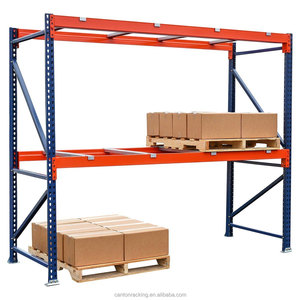
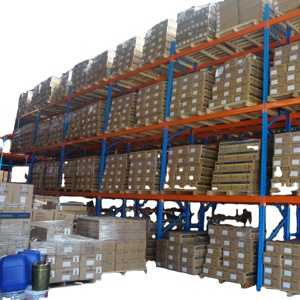
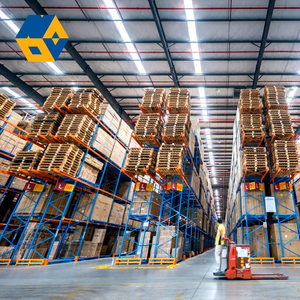
The industrial landscape of Kuala Lumpur and the surrounding Klang Valley region (including key logistics corridors such as Shah Alam, Port Klang, Subang Jaya, Puchong, and Balakong) is undergoing rapid transformation. Driven by the expansion of regional e-commerce fulfillment centers, cold-chain food supply networks, and high-tech manufacturing, demand for industrial floor space has pushed land premiums to historic highs. Warehouse operators can no longer afford horizontal expansion; optimization must occur vertically through heavy-duty, engineered adjustable pallet rack systems.
Procuring industrial racking for Kuala Lumpur installations requires strict attention to structural dynamics, environmental resistance, and regulatory compliance. Facilities located in coastal zones like Port Klang face elevated relative humidity (often exceeding 80% RH year-round) combined with airborne salinity, creating corrosive conditions that rapidly degrade under-specified steel coatings. Furthermore, logistics infrastructure in Malaysia demands strict compliance with safety frameworks monitored by the Department of Occupational Safety and Health (DOSH / JKKP Malaysia).
2. Tropical Humidity & Environmental Engineering: C5-M vs. Standard Finishes
One of the primary causes of structural rack failure in Southeast Asian humid tropical climates is sub-surface oxidation. Standard liquid spray paint or thin decorative powder coatings fail when micro-cracks occur during forklift impacts or beam height adjustments. Once ambient moisture reaches the bare cold-rolled steel, hidden corrosion undermines structural integrity from within.
To overcome tropical degradation in Kuala Lumpur warehouses, high-tier manufacturing processes employ a multi-stage surface pretreatment and thermo-cured epoxy-polyester powder coating system:
- Automated Alkaline Degreasing & Acid Pickling: Removes all residual mill scale and oil contaminants from cold-rolled profiles.
- Zirconium or Nanotech Phosphate Pretreatment: Establishes a microscopic anti-corrosive conversion layer that enhances mechanical powder adhesion.
- Electrostatic Powder Coating (DFT 60–90 Microns): Cured at 200°C to create a non-porous, impact-resistant barrier tested against 500+ hours of continuous salt spray (ISO 9227).
- Hot-Dip Galvanizing (HDG) for Cold Storage: For sub-zero ambient rooms in Port Klang seafood logistics hubs, components undergo hot-dip galvanizing per ISO 1461, yielding an 80+ micron zinc layer immune to condensation cycles.
3. Structural Integrity Standards: AS4084-2012, FEM 10.2.02 & Seismic Consideration
While Malaysia is geographically situated outside the Pacific Ring of Fire, high-bay warehouse installations (above 8 meters) in the Kuala Lumpur region are susceptible to long-period far-field seismic waves originating from active Sumatran fault lines. Structural engineering must account for horizontal displacement dynamic coefficients ($S_d$) during rack framework calculation.
As a direct factory exporter to 53+ countries, SolidFort structural designs strictly observe international design codes including AS4084-2012 (Steel Storage Racking), FEM 10.2.02 (European Design Code for Pallet Racking), and RMI ANSI MH16.1 (North American Standard). Core engineering metrics include:
Deflection Limits & Safety Factors
Maximum allowable beam vertical deflection is engineered to $L/200$ under full Uniformly Distributed Load (UDL), preventing beam unhooking or excessive strain on safety lock connectors. Minimum ultimate structural safety factors are maintained at 1.65 to 1.95 depending on system height and dynamic loading.