High-Performance Pallet Conveyor & Racking Systems
Engineered to international CE, FEM 10.2.02, and ANSI/RMI MH16.1 structural standards for heavy industrial logistics, cold storage, and automated fulfillment hubs.
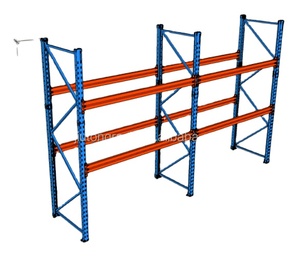
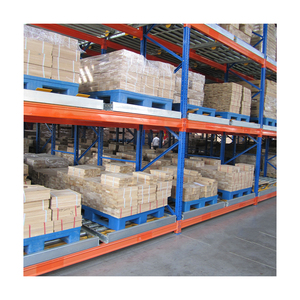
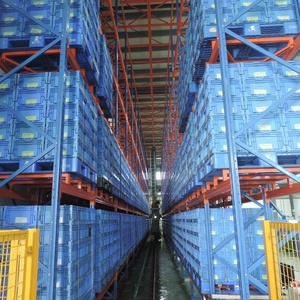
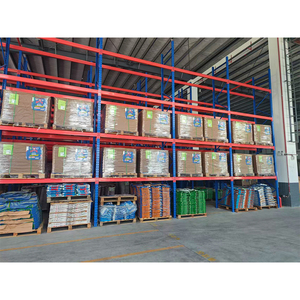
Manufacturing Precision & Engineering E-E-A-T Capabilities
Direct factory output from our 30,000㎡ production facility, combining high-tensile cold-rolled steel metallurgy with international safety certifications.
CE & International Standards
Designed and manufactured under strict compliance with CE directives, ANSI/RMI MH16.1, FEM 10.2.02, and AS4084 guidelines to guarantee structural reliability across global logistics parks.
Sub-Zero Metallurgical Integrity
Utilizing high-tensile Q235B and Q355B cold-rolled steel profiles coated with thermosetting epoxy electrostatic powder. Resilient down to -35°C without micro-cracking or thermal embrittlement.
Custom Automated Conveyor Integration
Full technical integration of Motor-Driven Roller (MDR) beds, chain transfers, shuttle cars, and stacker cranes directly into heavy-duty storage racks for maximum warehouse throughput.
Localized Application Scenarios in Moscow & Central Federal District
Moscow serves as the supreme logistics hub of Eastern Europe, handling over 60% of Russia’s total containerized cargo and e-commerce distribution flows. The rapid proliferation of Class-A logistics parks along the MKAD outer ring, A-107 (Little Ring), and A-108 (Big Ring) highways—specifically in key industrial zones like Podolsk, Chekhov, Domodedovo, and Zelenograd—demands storage systems capable of enduring intense throughput and severe climatic variations.
SolidFort engineers custom-designed Pallet Conveyor Storage Systems and high-density racking units specifically adapted to the structural requirements and operating environments typical of Moscow logistics parks:
- Sub-Zero Cold Chain Logistics: Special anti-freeze roller bearings and synthetic low-temperature lubricants operational down to -30°C in food preservation hubs.
- High-Throughput E-Commerce Hubs: Automated pallet conveyor loops integrated with 4-way radio shuttles handling 250+ pallet transfers per hour in 24/7 fulfillment centers.
- Pharmaceutical Central Warehousing: Very Narrow Aisle (VNA) racking systems featuring magnetic wire-guidance and seismic reinforcement for zero-error inventory control.
- Heavy Machinery & Industrial Components: Deep-reach selective racks rated for point loads up to 4,500 kg per beam level under heavy mechanical vibration.
Sub-Zero Engineering Mechanics for Moscow Cold Rooms
Operating pallet conveyor storage systems in Moscow’s extensive cold storage facilities (such as those supplying the food distribution networks of the Central Federal District) requires overcoming structural steel embrittlement and mechanical freeze-up. Standard structural steel undergoes a ductile-to-brittle transition when exposed to prolonged temperatures below -20°C. SolidFort resolves this challenge by sourcing micro-alloyed Q355B/Q355D structural steel, treated with low-stress cold roll-forming protocols that maintain impact toughness at low sub-zero thresholds.
Furthermore, automated pallet conveyor roller beds deployed in Moscow cold storage units utilize enclosed Motor-Driven Rollers (MDR) rated to IP66, filled with food-grade polyalphaolefin (PAO) synthetic gear oil. This prevents condensate freezing during defrost cycles and eliminates micro-slippage when heavy euro-pallets (1200×800mm) transition between ambient dock doors and sub-zero storage chambers.
Localized Logistics Trends Driving Automated Storage Adoption in Moscow
The Moscow logistics landscape is undergoing a structural transformation driven by acute labor shortages, surging urban land costs, and the rapid expansion of major e-commerce marketplaces (such as Wildberries, Ozon, and Yandex Market). Procurement managers and supply chain directors across Moscow are moving away from traditional floor-stacking and manual fork-truck racking toward high-density automated systems.
1. Vertical Elevation Beyond 12 Meters (Cubic Footprint Optimization)
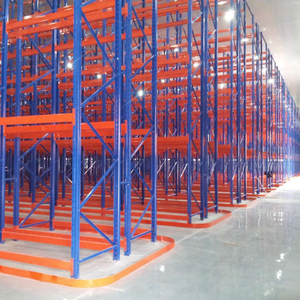
With Class-A warehouse rental rates in the Moscow region reaching historic highs, industrial operators are forced to maximize vertical cubic volume. Standard 6-meter racking is rapidly being replaced by 12-to-18-meter Automated Storage and Retrieval Systems (AS/RS) and double-deep VNA pallet racks. SolidFort's structural uprights feature precise, continuous pitch punching with cold-formed omega profiles, delivering superior buckling strength at high vertical elevations under heavy asymmetrical loading.
2. Transition to Modular Pallet Conveyor & Radio Shuttle Hybrids
Pure forklift-dependent storage introduces significant operational bottlenecks and rack collision risks. In response, Moscow’s modern distribution centers are deploying hybrid storage layouts: Radio Shuttle Racks linked directly to Main-Line Pallet Conveyor Networks. Pallets are received at the loading dock, automatically weighed and profile-checked on motorized chain conveyors, and routed via vertical lifts directly to high-density shuttle bays without manual forklift intervention.
3. Harmonization of CE Safety Directives with GOST Structural Codes
Importing warehousing equipment into the Russian Federation requires strict adherence to local building safety codes (such as GOST R 55525-2017) while meeting international safety standards. SolidFort’s manufacturing process incorporates mandatory CE certification under Machinery Directive 2006/42/EC and Low Voltage Directive 2014/35/EU, ensuring smooth compliance verification, fire safety auditing, and structural permitting for facility developers across the Central Federal District.
Frequently Asked Questions for Moscow Procurement Managers
Expert technical answers regarding compliance, local delivery, sub-zero engineering, and rack design specs.
How do SolidFort’s CE-certified racking & conveyor systems comply with Russian GOST R standards?
Our racking systems are designed and calculated in strict alignment with international codes (FEM 10.2.02, ANSI/RMI MH16.1) and CE safety directives. For installation within Moscow and the Eurasian Economic Union (EAEU), we provide full technical passports, material mill test certificates (EN 10204 3.1), structural calculation reports, and EAC declaration paperwork that fully align with GOST R 55525-2017 standards for industrial storage systems.
What structural measures prevent corrosion and metal fatigue in sub-zero Moscow cold stores (-30°C)?
We utilize specialized cold-formed Q355D steel grades featuring elevated impact toughness at negative temperatures. The steel components undergo shot-blasting to Sa 2.5 cleanliness standard followed by an automated thermosetting epoxy-polyester powder coating (70–90 microns thick) baked at 200°C. For extreme humidity conditions, hot-dip galvanizing per ISO 1461 is applied, guaranteeing zero micro-cracking or flaking in freezing operating environments.
Can your pallet conveyor storage systems handle both standard Euro-pallets and industrial ISO pallets?
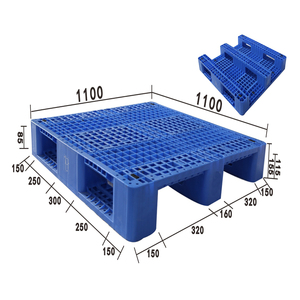
Yes. SolidFort pallet conveyor rollers and shuttle tracks are engineered with adjustable guide rails and multi-runner support profiles capable of transporting standard Euro-pallets (800 × 1200 mm), FIN pallets (1000 × 1200 mm), and custom heavy industrial plastic/wooden pallets up to 1500 kg per position without sensor error or roller deformation.
What is the typical shipping lead time and logistics route from your factory to Moscow logistics parks?
Standard order production requires 10 to 15 business days, while engineered automated conveyor projects require approximately 30 days. Shipments are packed into containerized sea/rail multi-modal transport via major transit corridors (such as direct China-Europe freight rail arriving at Vorsino/Bekasovo logistics terminals, or sea freight via St. Petersburg/Novorossiysk ports), reaching Moscow in 18 to 28 days total transit time.
Are specialized foundation anchor bolts required for high-rise VNA or AS/RS installations in Moscow?
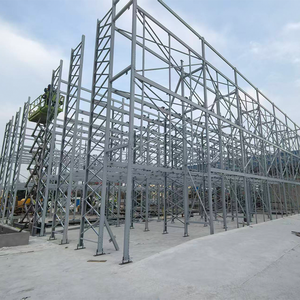
Yes. Under structural standard specifications, every upright frame column must be anchored to the reinforced concrete floor slab. For high-bay VNA and conveyor installations above 10 meters in height, we specify heavy-duty chemical wedge anchors (M12 to M16) with embedment depths calculated based on your facility's concrete floor thickness (minimum C25/30 grade concrete) and local soil seismic ratings.
How does SolidFort assist with warehouse CAD layout design and structural load calculation?
Our dedicated engineering department provides complimentary 2D CAD layout designs, 3D BIM modeling, and detailed Load Application and Rack Configuration (LARC) drawings before production. We calculate beam deflection limits under maximum uniformly distributed loads (UDL) capped strictly at L/200 as specified by FEM guidelines.
What is the load capacity advantage of 5-Push Back Racking compared to standard Selective Racking?
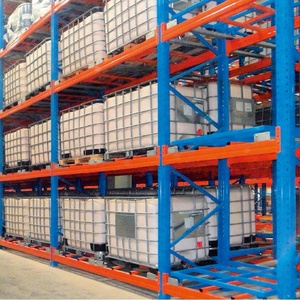
A 5-Push Back Racking system utilizes nested wheel carts riding on inclined structural rails. It increases storage density by up to 75% compared to selective racking by eliminating interior aisles, while storing goods up to 5 pallets deep per lane on a Last-In, First-Out (LIFO) inventory flow basis with weight capacities up to 1,500 kg per cart level.
How do I obtain a detailed quotation and engineering drawing for my warehouse in Moscow?
Simply click the "Inquire Now" button on this page to initiate instant communication with our project engineering team. By providing your warehouse dimensions, clear ceiling height, pallet dimensions, maximum unit load weight, and forklift specs, we will generate a preliminary CAD layout and factory-direct cost proposal within 24 hours.
Optimize Your Moscow Storage Facility Today
Get direct-from-manufacturer pricing, complimentary CAD layout engineering, and full CE/EAC certified structural solutions tailored to your operational requirements.
Inquire Now