
New Zealand Cold Storage & Sub-Zero Supply Chain Dynamics
New Zealand's export-driven economy—dominated by dairy (Fonterra network), beef, lamb, seafood, and horticultural exports (Zespri kiwifruit and apples)—relies heavily on strict temperature-controlled logistics. Freezing and cold-chain facilities operating from Auckland and Tauranga down to Christchurch and Lyttelton require specialized storage equipment capable of handling high-density pallet loading under demanding thermal conditions. Operating a freezer warehouse at sub-zero environments ranging from -18°C down to -35°C introduces critical physical engineering challenges: steel embrittlement, thermal stress contraction, surface coating delamination, and high floor-space energy consumption costs.
As a direct-factory manufacturer specializing in heavy-duty industrial storage systems, SolidFort Equipment manufactures custom-engineered freezer pallet racking specifically aligned with New Zealand regulatory mandates, including AS/NZS 4084:2023 (Steel Storage Racking) and NZS 1170.5 (Structural Design Actions - Earthquake Actions). By controlling raw material metallurgy (utilizing micro-alloyed Q355B low-temperature steel grade) and offering hot-dip galvanizing or specialized low-temperature powder coatings, we provide New Zealand cold storage operators, 3PL logistics hubs, and primary food processors with durable, highly efficient storage architecture.
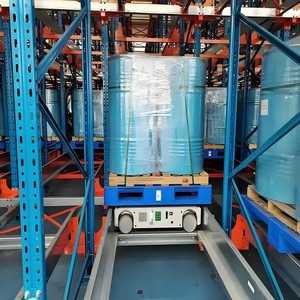
Information Gain Focus: Running sub-zero warehouses in New Zealand costs up to 4 to 5 times more per cubic meter in electricity compared to ambient facilities. Optimizing volumetric utilization through automation (such as Radio Shuttle or Drive-In systems) directly correlates to lower operational expenditure (OPEX) per stored pallet position.
Engineering Metallurgy & Material Science for -35°C Environments
Standard structural steel undergoes a ductile-to-brittle transition when exposed to sub-zero freezer temperatures. Under continuous exposure to -20°C to -35°C, low-grade carbon steel experiences reduced notch toughness and yield flexibility, rendering upright frames vulnerable to sudden catastrophic fracture upon minor forklift impact. SolidFort eliminates cold brittleness through advanced steel selection and precise manufacturing processes:
Low-Temperature Steel Selection
We utilize high-yield Q355B micro-alloyed steel tested with Charpy V-notch impact performance guaranteed down to -40°C. This ensures high structural ductility and resistance to impact shocks inside blast freezers.
Anti-Corrosion Surface Finishing
Moisture condensation during defrosting cycles accelerates rust. We offer Hot-Dip Galvanizing (HDG according to ISO 1461) delivering a 65-85μm zinc coating, or thermosetting epoxy-polyester powder coating engineered for thermal elasticity.
Seismic-Resilient Fastening
Engineered according to NZS 1170.5 seismic standards, featuring heavy-duty base plates, enlarged expansion anchor embedments, and high-tensile 8.8 grade hardware designed to withstand intense shear stress.
Compliance with AS/NZS 4084:2023 & New Zealand Seismic Requirements
New Zealand resides on the Pacific Ring of Fire, subject to stringent structural building codes. The update to AS/NZS 4084:2023 imposes strict engineering responsibilities regarding load calculations, frame displacement limits, seismic acceleration coefficients, and post-ground-motion stability. Installing non-compliant pallet racking in NZ freezer facilities exposes operators to severe regulatory fines from WorkSafe NZ, voided insurance coverages, and catastrophic structural failures during seismic events.
SolidFort works in tight coordination with structural engineers to provide complete design verification reports. Key technical features of our NZ seismic-ready freezer racking include:
| Engineering Aspect | Standard Racking (Ambient / Non-Seismic) | SolidFort NZ Freezer & Seismic Specification |
|---|---|---|
| Steel Grade | Standard Q235B / Commercial Carbon Steel | Low-temp Micro-alloyed Q355B (Charpy Impact Tested at -40°C) |
| Base Plate Anchor System | Single standard expansion bolt (M10/M12) | Dual heavy-duty M16/M20 chemical or mechanical anchors (Embedment > 120mm) |
| Upright Profile & Stiffness | 80mm-90mm profile width, 1.5mm-1.8mm gauge | 100mm-120mm reinforced omega-shaped profile, up to 2.5mm-3.0mm heavy gauge steel |
| Seismic Bracing System | Standard diagonal horizontal bracing lattice | Enhanced heavy-duty horizontal & X-bracing with specialized seismic spine ties |
| Surface Protection | Standard indoor decorative powder coat | Hot-Dip Galvanized (HDG) or Sub-Zero Elasticized Electrostatic Powder Coating |
| Documentation Provided | Basic loading capacity sticker | Full CAD layout, LARC drawings, FEA stress analysis reports & AS/NZS compliance certification |
Cold Storage Racking Architecture Selection Matrix
Choosing the optimal racking system depends on your warehouse operational model, turnover frequency, SKU quantity, and forklift fleet capability. Below is an engineering evaluation of the primary sub-zero systems manufactured by SolidFort:
1. Automated Radio Shuttle Racking System
Maximum Space Density & Low Operational Cost. Automated self-powered shuttle carts travel inside deep storage channels on guide rails. Forklifts do not enter the rack structures, drastically reducing rack damage rates in tight freezer aisles. Supports both FIFO and LIFO flows. Ideal for high-volume dairy (cheese/butter blocks) and meat processing plants across NZ.
2. Drive-In / Drive-Thru Racking
High Density for Homogeneous SKUs. Forklifts drive directly into storage lanes to deposit pallets on continuous cantilever rails. Eliminates operating aisles to increase floor utilization by up to 80%. Designed with heavy-duty structural floor guides and column impact guards essential for operator safety in frozen environments.
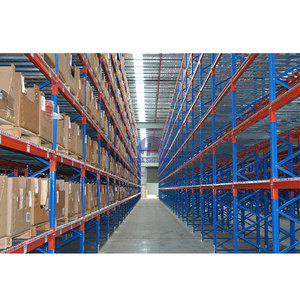
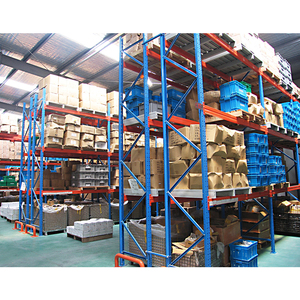
3. Heavy-Duty Selective Pallet Racking
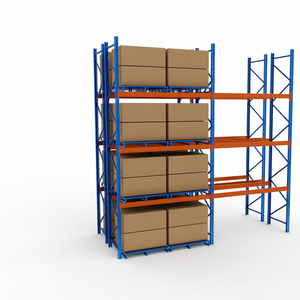
100% Selectivity for Multi-SKU Distribution. Provides instant direct access to every single pallet position. Perfect for fast-moving retail cold stores, e-commerce food distributors, and pharmaceutical freezers requiring rapid picking access. Configurable with drop-in wire mesh decking or heavy-duty pallet support bars.
4. Push-Back Racking (Nested Carts)
High-Density LIFO Storage (2 to 6 Pallets Deep). Pallets are loaded onto nested wheeled carts riding on inclined structural rails. Loading a new pallet gently pushes the preceding pallet back. When a pallet is unloaded, gravity feeds the remaining pallets forward to the front aisle face. Eliminates forklift entry into the rack structure.
Why Direct Sourcing from SolidFort Empowers NZ Procurement Teams
Sourcing industrial freezer racking directly from SolidFort's 30,000㎡ manufacturing base delivers substantial advantages to New Zealand importers, general contractors, and cold chain asset owners. We bridge the gap between high-precision Chinese steel manufacturing efficiency and strict local compliance requirements.
Factory-Direct Cost Efficiency
Eliminate tier-3 trading markups and local middleman commissions. Access direct factory pricing with transparent steel material surcharges, giving you a competitive edge on major tender bids.
In-House Production & Quality Control
Our plant operates continuous roll-forming lines, robotic welding stations, and automatic powder coating lines under strict ISO 9001 management. Every batch undergoes ultrasonic weld checks and coating thickness audits.
Custom Engineering & Free CAD Layouts
Our dedicated engineering office reviews your building footprint, slab thickness, forklift mast height specs, and thermal ducting clearances to provide complete 2D/3D CAD layouts and load application drawings free of charge.
Frequently Asked Questions (NZ Freezer Racking Procurement)
Pricing per pallet position depends on rack height, load capacity, system type, and steel surface finish (Galvanized vs Powder Coated). Standard heavy-duty selective racking generally ranges between USD $45–$85 per position (FOB/CIF Auckland or Tauranga). High-density systems like Radio Shuttle or Drive-In range from USD $90–$220 per position. Contact our team with your CAD floor plan for a turn-key quotation.
Extreme cold induces cold brittleness in commercial structural steel, making it susceptible to cracking under impact. SolidFort specifies certified Q355B micro-alloyed steel with low carbon content, subjected to Charpy V-notch toughness testing down to -40°C. This ensures high impact absorption even during continuous heavy forklift operations inside blast freezers.
Yes. Our structural engineers design all export racking for Australia and New Zealand in strict accordance with AS/NZS 4084:2023 guidelines. We provide finite element analysis (FEA) calculations, frame load capacity plaques, safety factor verifications, and structural engineering sign-off support for council compliance and insurance auditing.
Freezer slabs typically consist of a wear slab over insulation layers and a structural sub-slab. Anchoring requires careful calculation to prevent puncturing frost-heave protection or vapor barriers. We supply specialized high-tensile chemical capsule anchors or heavy-gauge expansion bolts specified for seismic shear requirements and slab thickness constraints.
Hot-Dip Galvanizing (HDG) is recommended for high-humidity environments, frequent washdown zones, or facilities subject to severe condensation during defrost cycles. Specialized low-temperature electrostatic powder coating is excellent for dry sub-zero freezers (-20°C to -30°C) with consistent environmental controls, offering high visibility and impact resilience.
Standard manufacturing lead time is 10 to 15 days upon CAD drawing approval. Ocean freight from our Xiamen export port to major NZ ports (Auckland, Tauranga, Lyttelton) takes approximately 14 to 20 days. We provide comprehensive export container packing plans, steel banding, and protective corner wrapping to ensure zero shipping damage.