Product Catalog
Industrial Warehouse Storage & Racking Systems
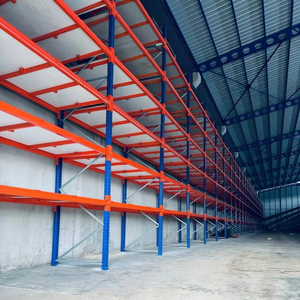
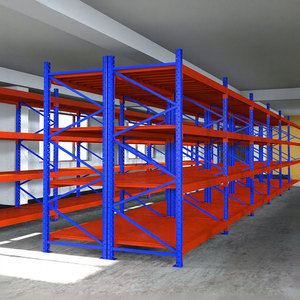
Factory-direct engineered pallet racking systems built for maximum structural resilience, high-density throughput, and seismic safety in Mexico logistics facilities.
30,000㎡
Manufacturing Base
53+
Export Destinations
85%
Max Volumetric Density
10-15 Days
Standard Lead Time
Strategic Industry Insights
Mobile Pallet Racking Engineering for Mexico City Logistics Hubs
The Mexico City Metropolitan Area (Zona Metropolitana del Valle de México - ZMVM), incorporating major industrial and logistics corridors such as Cuautitlán, Tepotzotlán, Tultitlán (the CTM corridor), Naucalpan, and Toluca, is experiencing unprecedented demand for industrial real estate driven by USMCA nearshoring trends. As land availability decreases and rental rates per square meter climb across Class-A industrial parks, logistics managers, 3PL operators, and industrial manufacturers face an imperative challenge: double pallet capacity within their existing building footprints without sacrificing direct selectivity.
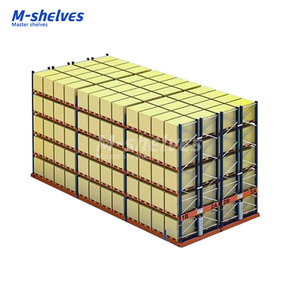
Electric Mobile Pallet Racking (Racks Móviles Electrónicos) represents the pinnacle of high-density storage technology engineered precisely for this economic landscape. Unlike conventional selective pallet racking—which requires fixed, dedicated aisles consuming up to 60% of total floor footprint—mobile pallet racking mounts heavy-duty rack superstructures onto motorized mobile bases guided by floor-embedded steel rails. A single operational aisle serves an entire block of racks, opening dynamically via PLC electronic controls only when required by a reach truck or forklift operator. This architecture transforms unused aisle space into profitable storage volume, increasing storage density by 80% to 90% compared to traditional static configurations.
Seismic & Civil Engineering
Seismic Engineering & Structural Integrity for CDMX Soil Conditions
Mexico City's unique geotechnical profile—characterized by soft lacustrine clay beds in Zone III (Valley of Mexico subsoil)—requires meticulous structural and seismic design for heavy-duty storage racking systems. The dynamic interaction between high vertical pallet loads and potential seismic ground acceleration demands compliance with stringent engineering frameworks.
Our mobile racking carriages and vertical frames are calculated and manufactured in alignment with global seismic design specifications, including ANSI/RMI MH16.1, FEM 10.2.02, and AS4084 standards. Every project supplied to Mexico City includes comprehensive structural analysis accounting for local ground acceleration parameters (S1, SS), ductilities, and concrete slab anchoring forces.
Core Engineering Features
- High-Tensile Steel Profiles: Cold-rolled Q355B structural steel uprights with custom profile geometries ensuring high resistance to torsional buckling.
- Anti-Topple Safety Devices: Top overhead or rail-level mechanical anti-tipping devices preventing frame displacement during dynamic seismic shaking.
- Precision Embedded Rails: Ground-flat, continuous running and guide rails installed flush with concrete floor slabs to guarantee smooth carriage movement under 24-ton payload carriage spans.
- Industrial PLC Electronics: Siemens S7 series programmable logic controls paired with multi-beam photoelectric safety barriers and distance sensors.
- Seismic Brake Systems: Dual-locking electro-magnetic motor brakes that engage instantly upon power failure or emergency stop triggers.
Technical Superiority
Key Operational Advantages of Heavy-Duty Mobile Racking
Maximization of Volumetric Space
Eliminating fixed aisle overhead allows logistics operators to store up to double the pallet positions in the same building cubic area, drastically lowering warehouse energy costs per pallet position in cold storage applications.
100% Direct SKU Selectivity
Unlike drive-in or deep push-back systems that force Last-In-First-Out (LIFO) inventory handling, mobile racking opens aisles on-demand, allowing operators instant FIFO direct access to any specific pallet position.
Multi-Level Active Safety Controls
Integrated safety light curtains, optical safety sensors, bumper collision bars, and manual emergency release locks create a fully compliant, zero-harm operational perimeter for warehouse personnel.
Localized Applications
Mobile Racking Deployment Scenarios Across Mexico City Key Industries
Warehouse operational dynamics vary across the distinct industrial zones of the Valley of Mexico. Factory-engineered mobile pallet racking systems deliver specialized structural configurations tuned to localized commercial sectors:
Cold Storage & Refrigerated Logistics (Toluca & Tepotzotlán)
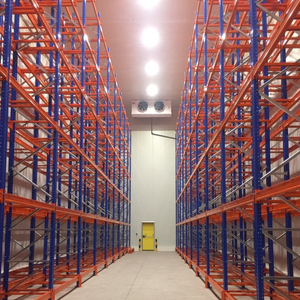
Cold storage facilities incur massive operational expenses from electrical cooling. In sub-zero environments (down to -30°C), SolidFort Mobile Racking condenses the refrigerated storage chamber, cutting cooling volume by up to 50% per pallet stored and significantly reducing electrical CapEx and OpEx for food exporters and dairy distributors.
Automotive & Aerospace Spares (Naucalpan, Tlalnepantla & Querétaro Hubs)
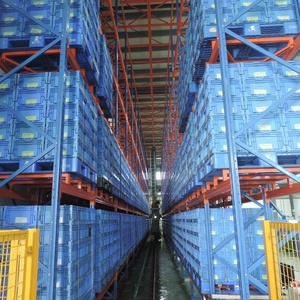
Nearshoring Tier-1 and Tier-2 automotive component suppliers demand high-density storage capable of holding diverse SKUs, heavy metal wire mesh containers, and specialized heavy steel racks. Heavy-duty mobile bases support carriage lengths exceeding 30 meters with bay capacities up to 24,000 kg.
Pharmaceutical & FMCG Warehousing (Vallejo & Iztapalapa)
Urban fulfillment facilities situated within Mexico City proper operate under strict spatial constraints. Mobile pallet racking linked to automated WMS software guarantees strict batch tracing (FIFO/FEFO), full compliance with COFEPRIS storage safety standards, and high-frequency order picking.
Economic Analysis
White Paper: ROI & Total Cost of Ownership (TCO) in CDMX Industrial Real Estate
To quantify the economic advantage of high-density mobile pallet racking in the Mexico City industrial corridor, consider a comparative facility model evaluating a 5,000 Pallet Position requirement in the Cuautitlán Izcalli industrial sub-market:
| Financial & Spatial Metric | Standard Selective Racking | Heavy-Duty Mobile Racking |
|---|---|---|
| Required Floor Space (Sq. Meters) | ~ 4,500 m² | ~ 2,400 m² (46% Land Saving) |
| Avg. Class-A Rent in CTM Corridor ($/m²/mo) | $7.50 USD / m² | $7.50 USD / m² |
| Annual Real Estate Lease Cost | $405,000 USD / yr | $216,000 USD / yr |
| Operational Aisle Utilization | 35% - 40% Storage Footprint | 80% - 85% Storage Footprint |
| 5-Year Net Lease Savings | Baseline | $945,000 USD Net Savings |
By compressing warehouse space requirements, the higher initial investment in motorized carriages, control automation, and floor rail installation is amortized rapidly. Most industrial clients in Mexico achieve complete payback on mobile racking CapEx within 18 to 26 months of system commissioning.
Buyer's FAQ Guide
Frequently Asked Questions for Sourcing Pallet Racking in Mexico
Direct answers from our engineering and export team regarding logistics, customs, installation, and concrete floor requirements in Mexico City.
Q: What concrete floor slab specifications are required to install Mobile Pallet Racking in Mexico City?
Mobile racking requires a flat, reinforced concrete floor slab capable of supporting concentrated wheel loadings (often ranging between 4 to 8 tons per wheel assembly) and anchor shear forces. The slab thickness typically must be at least 200 mm to 250 mm with a minimum compressive strength of f'c = 280 kg/cm² to 300 kg/cm² (30 to 35 MPa). Floor flatness tolerances must comply with DIN 15185 or VDMA guidelines to prevent excessive tilt or friction on moving carriages.
Q: How are floor rails embedded during new warehouse construction vs. retrofit projects in CDMX?
For new warehouse developments in locations like Tepotzotlán or Cuautitlán, rails are positioned and leveled prior to casting the final concrete floor slab topper (First Phase Installation). For existing operational facilities (Retrofit Projects), dual-diamond saw-cut grooves are made in the existing concrete slab, rails are positioned with high-precision leveling bolts, and high-strength non-shrink epoxy grout is poured around the rail profile flush with the floor surface.
Q: What shipping ports and customs documentation (Pedimento) are used for importing to Mexico?
Orders shipped from our manufacturing plant to Mexico City are routed through either the Port of Manzanillo (Colima) for Pacific sea corridors or Port of Veracruz for Atlantic logistics connections, followed by inland rail or heavy transport to CDMX customs terminals (e.g., Pantaco or AIFA logistics hubs). We provide full export documentation including Commercial Invoice, Packing List, Bill of Lading (B/L), Mill Test Certificates (MTC), Certificate of Origin (under T-MEC / international trade rules), and tariff classification guidance (HS Code 7308.90 for steel racking structures) for seamless clearance by your Mexican customs broker (Agente Aduanal).
Q: How are seismic forces specifically handled for Mexico City Zone III soft clay subsoils?
We incorporate seismic safety factors into structural calculations according to local Mexican building codes (Reglamento de Construcciones para el Distrito Federal / CFE seismic manual). Engineering enhancements include heavy-duty base plate anchors, elevated frame bracing ratios, high-yield cold-formed steel profiles, mechanical rail-engagement anti-topple hooks, and automatic seismic shut-off sensors connected to the mobile base controls that immobilize carriages safely during tremors.
Q: What is the total lead time from order confirmation to arrival at a warehouse in Mexico City?
Standard production time at our 30,000㎡ plant takes approximately 10 to 15 days. Ocean freight transport from Xiamen/Ningbo ports to Manzanillo takes roughly 18 to 22 transit days. Inland transport and customs clearance take 3 to 5 business days. Overall, clients in Mexico City can expect complete project delivery on site within 40 to 50 calendar days from CAD drawing sign-off.
Q: Are replacement spare parts, motors, and PLC sensors readily available?
Yes. We utilize standard high-grade industrial electronics (including Siemens, Schneider Electric, and Omron control components) and robust, standardized motor gearboxes. Key electrical components and mechanical spares can be sourced locally in Mexico or dispatched via priority air express directly from our factory stock.
Q: Can wire mesh decking and specialized accessories be integrated into mobile racking frames?
Absolutely. Mobile racking carriages support all types of rack accessories, including hot-dip galvanized wire mesh decking for fire sprinkler penetration compliance, heavy-duty pallet support bars, drop-in drum cradles, frame column protectors, and rear safety mesh netting to prevent loose carton falls during carriage movement.
Transform Your Mexico Warehouse Storage Density Today
Consult with our senior warehouse racking engineers. Receive a free CAD layout drawing, structural load calculation, and factory-direct price quotation for your facility in Mexico City or surrounding industrial corridors.
Send an Inquiry